The Best Silhouettes for High Humidity: Why Flowy Beats Tight
You step outside and the air hits you like a warm, damp sponge. Within minutes, your favorite skinny jeans feel like a second skin that you never asked for. Stop fighting nature and start outsmarting the dew point with clothes that actually breathe.
The Physics of Personal Ventilation
Physics dictates that heat moves from warm areas to cool ones. When you wear tight clothing, you trap a layer of hot, moist air directly against your skin. You basically turn your outfit into a portable sauna, which seems counterproductive unless you enjoy feeling like a steamed vegetable.
Flowy silhouettes operate on the principle of the chimney effect. Wide openings at the hem and sleeves allow air to circulate upward and out. This constant movement evaporates sweat before it can turn your silk blouse into a transparent mess. You want your clothes to act as a shield against the sun, not a heat sink for your body.
The Problem With Spandex
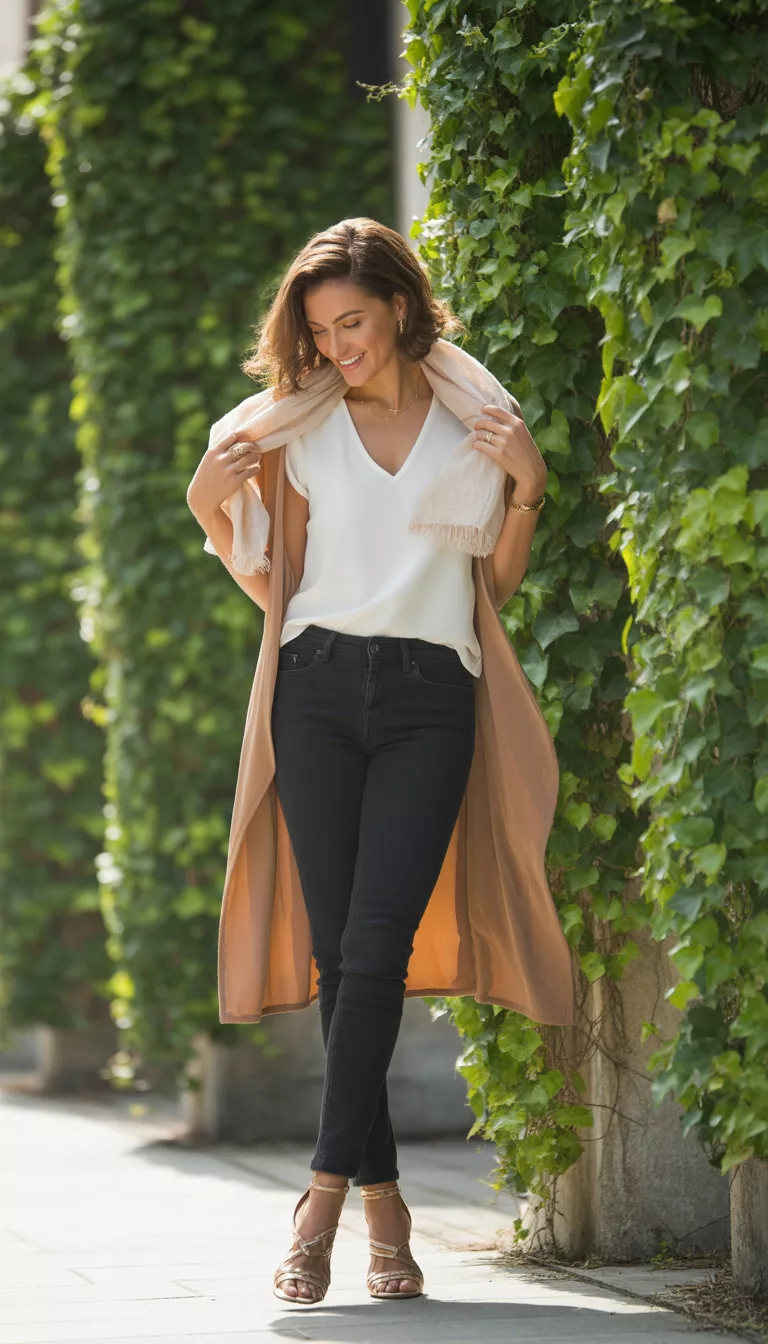
Spandex provides great stretch for the gym, but it acts as a literal barrier to airflow in high humidity. These synthetic fibers do not absorb moisture; they just hold it against you. Think of tight leggings as plastic wrap for your legs during a heatwave. It is a bold choice, but rarely a comfortable one.
When fibers stay pressed against your pores, your body cannot regulate its temperature properly. This leads to that frantic search for the nearest air conditioner. Choosing volume over tension gives your skin the space it needs to perform its natural cooling functions without interference.
Maxi Dresses and the Art of the Breeze
A maxi dress offers the ultimate solution for those days when the humidity reaches triple digits. The sheer volume of fabric creates a microclimate around your legs. Every time you take a step, the swaying hem pumps fresh air toward your torso. It is the closest you can get to carrying a personal fan everywhere you go.
Select styles with a loose waistline or an A-line cut. Avoid anything that cinches too tightly around the middle, as this cuts off the internal airflow. Consider it a tactical move for your comfort. You look like a Greek goddess, while secretly enjoying a private breeze that nobody else can see.
Tiered Skirts for Maximum Movement
Tiered skirts add even more surface area to catch the wind. These horizontal seams create structure without adding weight or bulk. You get the benefit of a full skirt that does not cling to your thighs when you sit down on a humid subway seat.
Cotton voile and lightweight linen make the best materials for these styles. These natural fibers possess tiny gaps between the threads. These gaps function like miniature windows for your skin. You will find that a voluminous cotton skirt feels significantly cooler than a polyester mini skirt every single time.
Wide Leg Trousers Versus The Skinny Jean

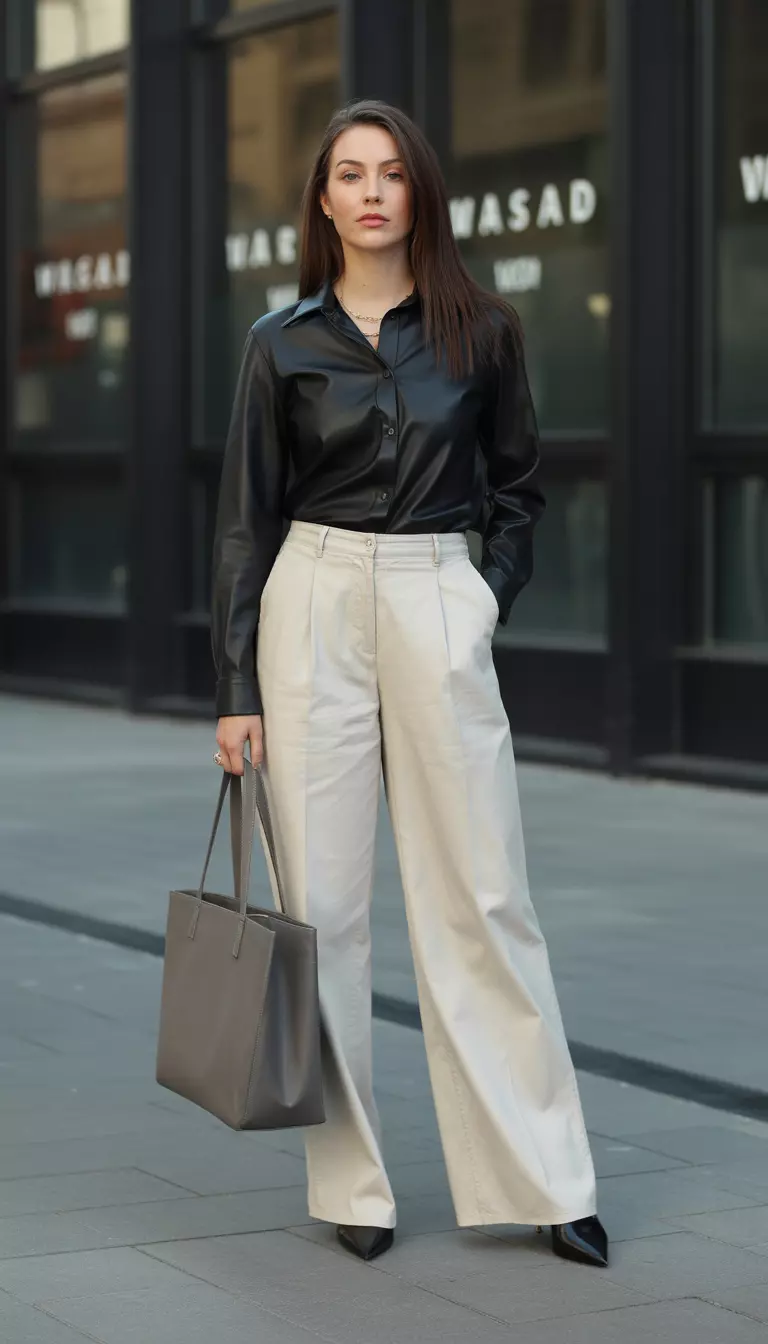
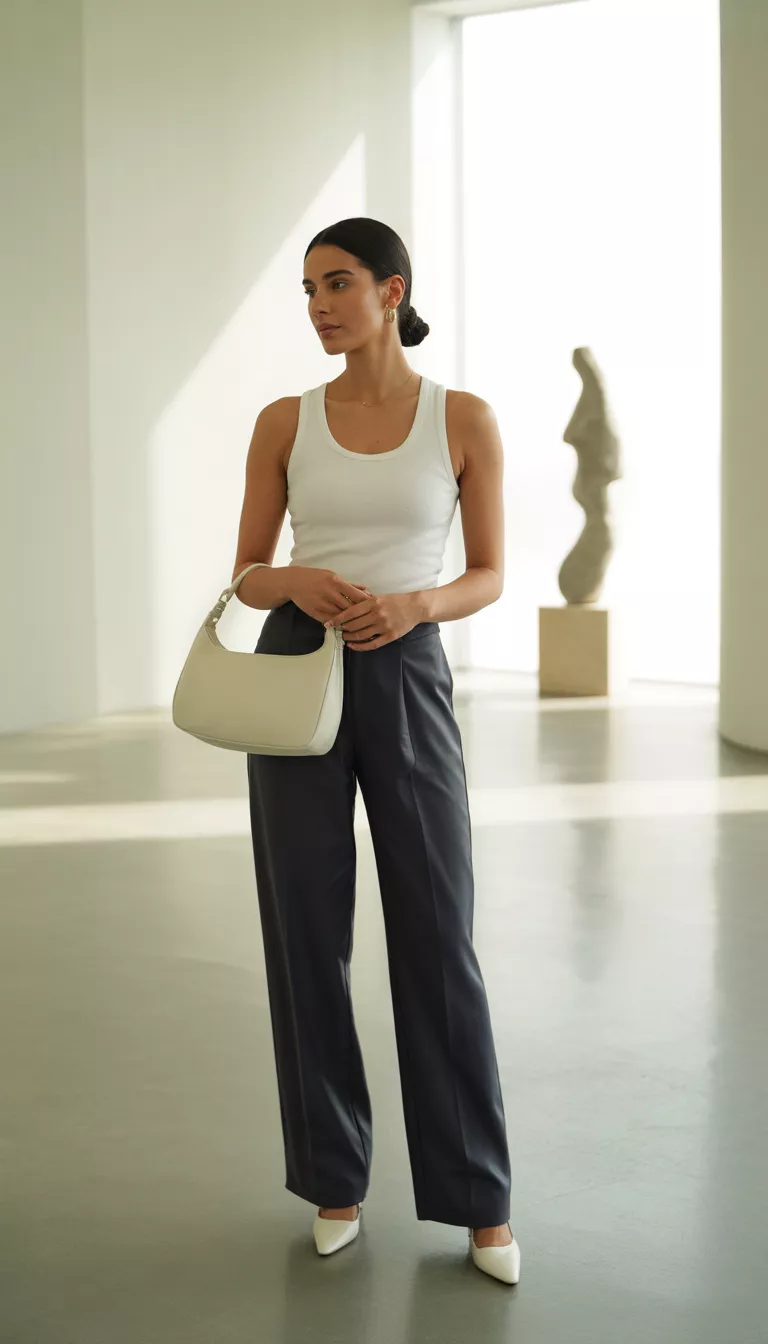
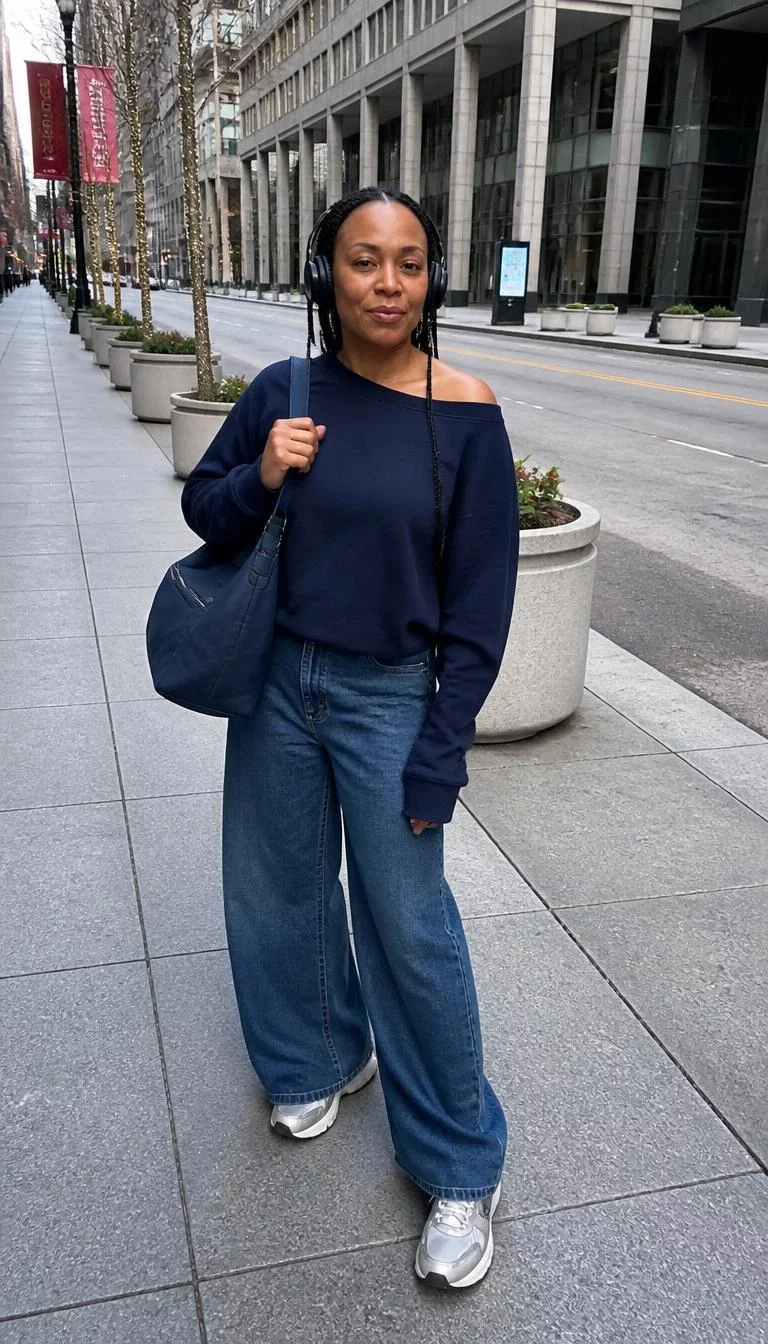
Jeans represent the ultimate enemy of a humid climate. Denim is heavy, dense, and remarkably stubborn when it wet. If you must wear pants, look toward wide-leg trousers made from lyocell or linen. These silhouettes provide a professional appearance without the structural integrity of a wetsuit.
Culottes and palazzo pants offer the same benefits as a skirt but with more utility. They prevent thigh chafing, which becomes a real concern when moisture levels rise. You get the freedom of movement and the protection of fabric without the suffocating grip of narrow pant legs.
| Feature | Tight Silhouettes | Flowy Silhouettes |
|---|---|---|
| Air Circulation | None to minimal | Continuous flow |
| Sweat Evaporation | Slow and sticky | Rapid and cooling |
| Skin Irritation | High risk of chafing | Low risk |
| Visual Cues | Shows every sweat spot | Camouflages moisture |
The Oversized Button Down Strategy
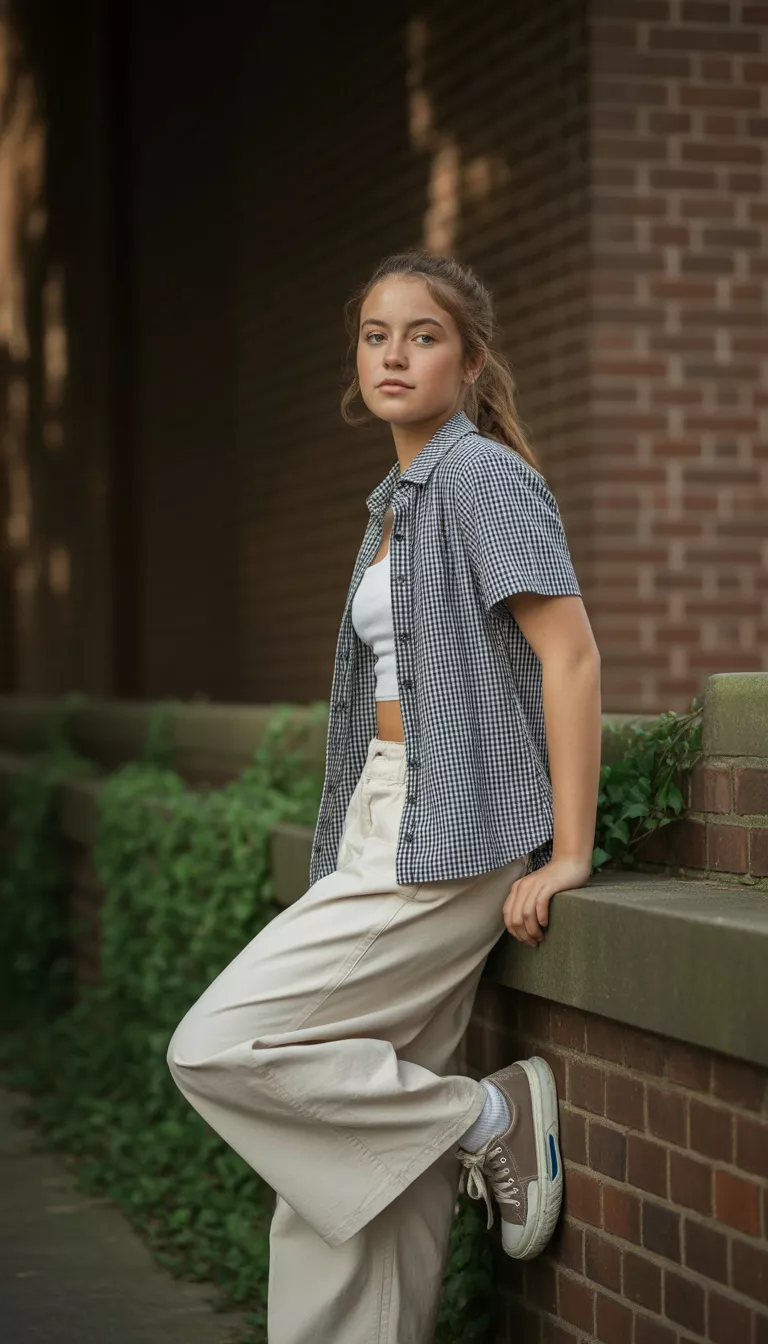
The humble oversized button-down shirt serves as a versatile weapon against the heat. You can flip the collar up to protect your neck from the sun. You can leave the buttons loose to control exactly how much air you want to let in. It provides a crisp look that suggests you have everything under control, even when the humidity says otherwise.
Look for shirts with a “boyfriend” fit or drop shoulders. These design elements ensure the fabric hangs away from your armpits. Keeping that specific area dry is the holy grail of summer dressing. If the fabric does not touch your skin, it cannot soak up sweat and leave those dreaded circles.
The Importance of Natural Fibers
The silhouette only does half the work. The fiber content does the rest. Linen reigns supreme because it can absorb up to twenty percent of its weight in moisture before it even feels damp. It also possesses a high stiff factor, which means it stays away from your body rather than collapsing against it.
- Linen: The gold standard for breathability and moisture wicking.
- Silk Crepe: Surprising cooling properties but requires careful maintenance.
- Chambray: A lighter alternative to denim for those who miss their jeans.
- Rayon: A semi-synthetic that mimics the drape of silk without the price tag.
The Power of the Caftan
Some people think caftans are only for lounging by a pool in the 1970s. Those people are missing out on the most efficient cooling system ever designed. A caftan is essentially a stylish tent. It offers total coverage from UV rays while allowing a literal gale force wind to move around your entire body.
Modern caftans come in updated prints and sophisticated fabrics. You do not have to look like you are heading to a costume party. A sleek, ankle-length linen caftan with a simple leather sandal creates a high-fashion look that remains incredibly practical. It is the sartorial equivalent of an ice-cold lemonade.
Why Fit Matters More Than Size
Do not confuse “flowy” with “too big.” A well-designed oversized piece still fits your frame correctly at the shoulders and neck. If you wear clothes that are simply three sizes too large, you risk looking like you are wearing a laundry bag. Seek out garments specifically designed with an “oversized” or “relaxed” cut.
These pieces maintain their shape while providing the necessary volume. You want the fabric to skim over your curves rather than hugging them tight. This creates a silhouette that looks intentional and expensive. It shows that you understand how to dress for your environment without sacrificing your personal style.
Frequently Asked Questions
Does wearing more fabric actually make me hotter?
It sounds counterintuitive, but wearing more loose fabric often keeps you cooler than wearing less tight fabric. The extra material shades your skin from direct sunlight and creates a chimney effect for air movement. You see desert dwellers wearing long, flowing robes for a very good reason.
How do I stop flowy clothes from looking sloppy?
Balance your proportions by pairing one voluminous piece with one slightly more structured element. If you wear wide-leg trousers, choose a top that fits perfectly in the shoulders even if the body is loose. Adding a structured bag or pointed-toe shoes can also ground the look and keep it polished.
What color stays the coolest in high humidity?
Lighter colors like white, cream, and pale blue reflect the sun rays rather than absorbing them. Darker colors tend to soak up the heat and transfer it directly to the fabric. Stick to a lighter palette to maximize the cooling benefits of your flowy silhouettes.
You can survive the dog days of summer without melting into the pavement. Ditch the body-con dresses and the restrictive denim for a few months. Your skin lives for the breeze, so give it exactly what it wants. Once you experience the freedom of a truly flowy outfit, you will never go back to feeling shrink-wrapped again.