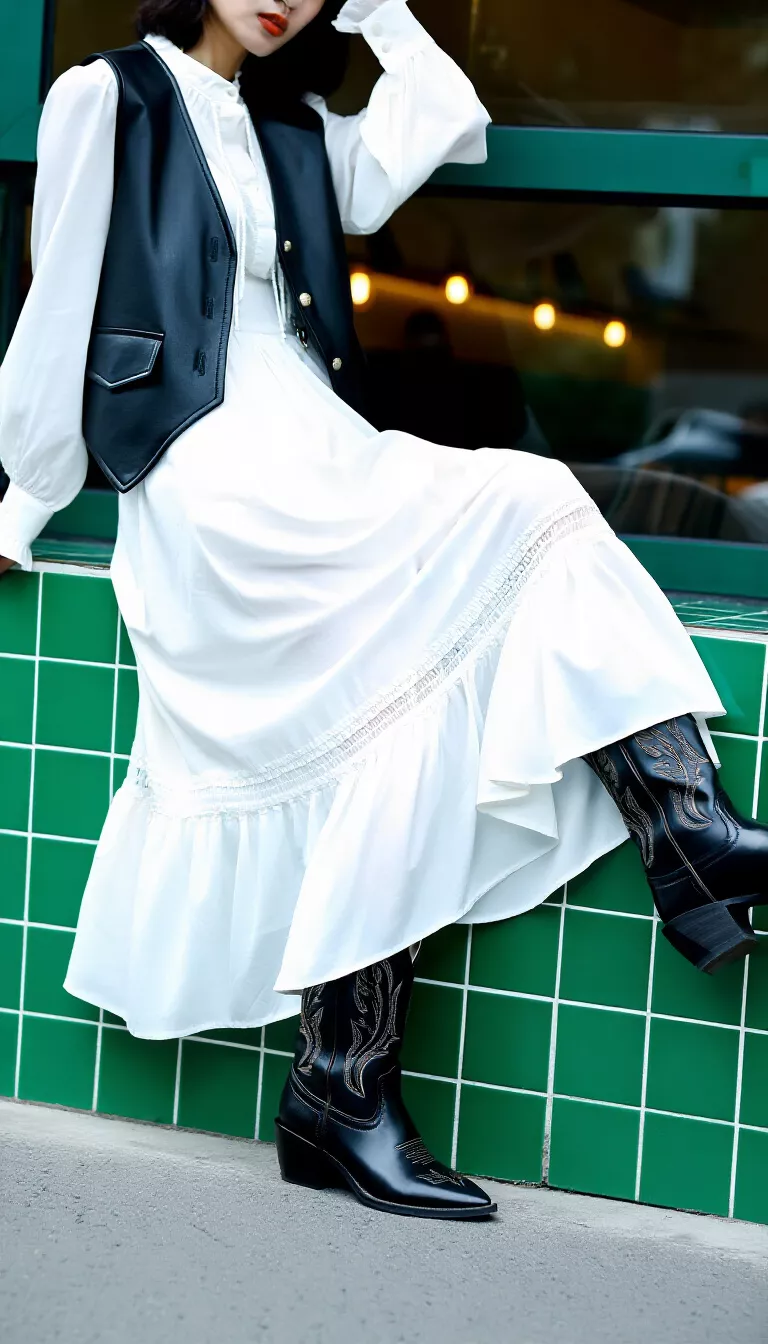
The Physics of Color: Why Light Shades Keep You Cooler
You stand under the scorching sun while your dark outfit transforms into a portable sauna. Science explains this wardrobe malfunction through the simple laws of physics. Understanding how light interacts with fabric will save your summer style and your sanity.
The Science of Reflection and Absorption

Every color you wear acts as a gatekeeper for solar energy. Light shades like white, cream, and pale yellow reflect most of the visible light spectrum away from your body. This reflection prevents the sun from turning your chic blouse into a heating element.
Darker pigments behave like tiny sponges for electromagnetic radiation. Black fabric absorbs almost all wavelengths of light and converts that energy into thermal heat. You essentially strap a heater to your torso when you choose that midnight black maxi dress in July.
The Role of Albedo in Your Closet
Scientists use a term called albedo to describe how well a surface reflects solar energy. Higher albedo values mean more reflection and less heat for you to manage. White clothing boasts a high albedo, while dark navy sits at the bottom of the scale.
Your eyes perceive white because the material bounces all the visible colors back at you. This process keeps the actual fibers of the cloth at a much lower temperature than their darker counterparts. You bypass the oven effect simply by shifting your palette toward the lighter end of the spectrum.
Thermal Conductance and Heat Transfer
Physics does not stop at the surface of your clothing. Heat moves through different materials at varying speeds through a process called thermal conductance. Light colored fabrics often utilize natural fibers that complement their reflective properties.
When you wear a light linen shirt, the material allows air to circulate while reflecting the sun. Darker colors trap that heat against your skin, forcing your body to sweat more to maintain its internal temperature. You create a miserable microclimate when you ignore these basic principles of heat transfer.
Convection and the Chimney Effect
Air movement plays a massive role in how cool you feel throughout the day. Light colored, loose fitting garments facilitate convection, which carries heat away from your skin. This natural ventilation works best when the fabric does not hold onto solar energy in the first place.
Some people argue that dark, loose clothing works for desert nomads. While true, that specific setup relies on thin fabrics and constant wind to create a chimney effect. For most of us walking down a city street, white cotton remains the undisputed champion of temperature control.
Fabric Weight and Textile Engineering
The thickness of your clothing impacts your comfort just as much as the hue. A heavy white denim jacket might still feel warmer than a paper thin black silk camisole. You need to balance the color choice with the weight of the weave to achieve true relief.
Textile engineers design summer fabrics to be porous and lightweight. These materials allow moisture to evaporate quickly, which provides a cooling sensation. Combining a pale color with a breathable weave gives you the best defense against a heatwave.
Consider the following factors when selecting your summer gear:
- The density of the weave and how much light passes through the fibers.
- The moisture wicking capabilities of the material.
- The total surface area of the garment.
- The specific dye used to achieve the pale tint.
The Psychological Impact of Cool Colors

Physics handles the temperature, but your brain handles the perception. Looking at soft blues, mint greens, and crisp whites creates a psychological cooling effect. You feel more relaxed when your environment and outfit suggest a lower temperature.
Society associates dark colors with winter and formality, which adds a layer of mental heaviness to your day. Switching to pastels signals to your brain that the season has changed. It turns out that looking cool helps you feel cool in more ways than one.
| Color Category | Reflection Rate | Heat Retention |
|---|---|---|
| Pure White | Very High | Minimal |
| Soft Pastels | High | Low |
| Earth Tones | Medium | Moderate |
| Deep Jewels | Low | High |
| True Black | Very Low | Extreme |
Managing Infrared Radiation
The sun sends more than just visible light our way. Infrared radiation accounts for a large portion of the heat you feel on your skin. Light colored summer fashion often reflects these invisible rays more effectively than dark fabrics.
Modern clothing brands sometimes treat light fabrics with special finishes to enhance this reflection. These technical garments stay cool to the touch even after hours in direct sunlight. You do not need a lab coat to appreciate these advancements in wearable physics.
The Myth of the Black Umbrella
You might see people using black umbrellas for shade, thinking it blocks the sun. While it creates a shadow, the black fabric absorbs heat and radiates it downward onto your head. A silver or white canopy reflects that energy away from you entirely.
Apply this logic to your hat selection as well. A white straw hat protects your face without turning your scalp into a stovetop. Your brain will thank you for not simmering it inside a navy blue baseball cap all afternoon.
Choosing the Right Materials
Not all light colored clothes are equal. Synthetic fibers like polyester can trap heat regardless of their color because they do not breathe. You want to prioritize certain materials to get the full benefit of that physics lesson.
- Linen is the gold standard for heat dissipation through its wide fibers.
- Cotton offers great breathability and comes in every shade of white imaginable.
- Rayon provides a silky feel and stays cool against the skin in light tints.
- Silk helps regulate temperature but requires careful maintenance in the heat.
Darker versions of these same fabrics will still feel hotter than the lighter versions. The color remains the primary variable in the heat absorption equation. Stick to the milkier shades to keep your internal thermostat under control.
The Physics of Color FAQ
Does wearing white protect my skin from UV rays?
White clothing reflects visible light and heat but often has a lower Ultraviolet Protection Factor than darker shades. You should look for tightly woven light fabrics or those with a UPF rating to shield your skin from sun damage. A translucent white shirt might keep you cool but could still allow some UV light to reach your skin.
Why do some people wear black in hot climates?
People in some cultures wear loose black robes because the heat from the fabric creates an internal upward draft. This effect only works if the garment is very loose and a breeze is present to pull the heat away from the body. For the average person wearing standard fit clothing, light colors remain the more effective choice for staying cool.
Can light blue keep me as cool as white?
Very pale blues and other light pastels perform almost as well as pure white in reflecting solar energy. These shades offer a great alternative if you worry about the maintenance of an all white wardrobe. The difference in temperature between a white shirt and a sky blue shirt is usually negligible for daily activities.
Next time you get dressed for a sunny day, remember that your outfit is a shield against energy. You have the power to bounce those rays back into space like a fashion forward mirror. Pick those light shades and enjoy the breeze while everyone else swelters in their dark ensembles.