Cream vs. Gel: Which Consistency is Best for Summer Styling?
Summer turns your hair into a science experiment where humidity acts as the primary catalyst. You start your day with a sleek style and end it looking like a startled poodle. Determining whether a cream or a gel wins the battle for your strands changes everything.
Understanding the Mechanics of Hair Cream

Think of hair cream as a soft hug for your tresses. It provides a gentle touch that emphasizes moisture over rigid structure. Most creams contain oils and butters that penetrate the hair shaft to keep things soft.
You probably reach for a cream when you want a natural look. It offers a low to medium hold that allows your hair to move when you walk. Nobody wants hair that stays perfectly still during a beach breeze while your face does all the work.
Creams work wonders for hydration. If the summer sun leaves your ends feeling like dried hay, a cream acts as a leave in treatment and a styler. It fills in the gaps in your hair cuticle to create a smooth surface.
The Best Candidates for Cream Stylers
Women with dry or coarse hair often find their holy grail in a jar of cream. Your hair drinks up the emollient ingredients which prevents the dreaded summer frizz. It adds a healthy sheen that reflects sunlight without looking greasy.
Fine hair types should exercise caution here. Too much cream turns your bouncy waves into limp noodles faster than you can say humidity. Start with a pea sized amount and work your way up if your hair demands more.
The Structural Power of Hair Gel
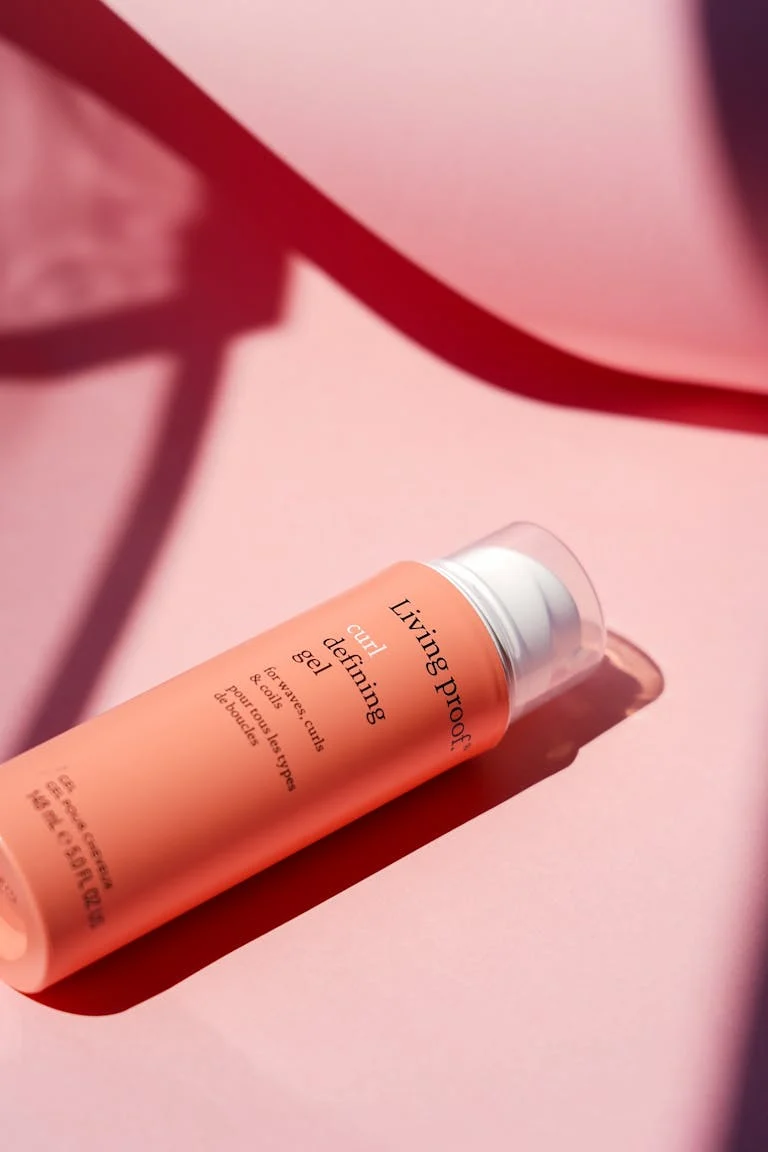
Gel is the disciplinarian of the hair world. It does not suggest your hair stay in place; it insists upon it. Most gels use polymers to create a film around each strand which locks your pattern into a specific shape.
Summer heat often means sweat and moisture in the air. Gel creates a literal barrier that blocks external humidity from entering your hair. This preservation keeps your curls or sleek buns intact for hours on end.
You might remember the crunchy hair from decades ago that sounded like breaking glass. Modern formulas have evolved beyond that stiff nightmare. Many gels now provide a flexible hold that shatters easily once the hair dries.
Why Gel Wins During High Humidity
When the dew point rises, your hair naturally wants to expand. Gel provides the tension necessary to fight that expansion. It holds the individual hairs together in defined clumps or a smooth ponytail.
If you plan to spend the day outdoors, gel provides the security you need. It handles the perspiration from your neck without letting your style collapse. You get a polished finish that lasts from your morning coffee until your evening plans.
Comparing Performance in Summer Heat
The local weather report should dictate your morning routine. A dry heat behaves differently than a tropical swamp environment. Light creams perform beautifully in arid climates where your hair needs constant moisture replenishment.
Humid coastal air demands the heavy lifting of a gel. If you use only a cream in high humidity, the moisture in the air will eventually overwhelm the soft hold. You will likely walk outside and watch your definition vanish in minutes.
Consider the weight of the product on your scalp as well. Summer involves enough sweating without a thick layer of heavy product blocking your pores. Gels often feel cooler and lighter on the skin than dense, oil based creams.
| Feature | Hair Cream | Hair Gel |
|---|---|---|
| Hold Level | Soft to Medium | Strong to Maximum |
| Finish | Natural and Matte | Shiny or Wet Look |
| Primary Benefit | Moisture and Softness | Definition and Control |
| Best Weather | Arid/Dry Heat | Humid/Tropical |
The Magic of Product Cocktails
Sometimes you do not have to choose a side in this civil war. Many women find that layering these two products provides the best results. Professionals call this the LOC or LCG method depending on the order of application.
Apply your cream first to provide the internal moisture your hair craves. This step ensures your strands stay healthy under the sun. It creates a soft base that prevents the gel from feeling too harsh or drying.
Follow up with a layer of gel to seal that moisture inside. The gel acts as a shield against the environment. This combination gives you the softness of a cream with the indestructible hold of a gel.
Finding the Right Application Ratio
Your specific hair density determines how much of each product you need. High density hair can handle a generous amount of cream followed by a heavy glop of gel. You have enough surface area to distribute the weight evenly.
Low density hair requires a more delicate touch. Try using a spray in leave in conditioner as your cream component. Then, use a lightweight foaming gel to provide architecture without the heavy baggage.
Common Summer Styling Mistakes
Applying product to bone dry hair remains the biggest error you can make during summer. Most stylers need water to distribute evenly across your head. Dry application leads to patchy spots where some hair is stiff and some is frizzy.
Using too much product out of fear also backfires. Excess cream attracts dirt and pollen which makes your hair feel gritty. Excess gel can flake and look like you have a sudden case of dandruff during your summer date.
Ignoring your hair porosity leads to frustration. If your hair lacks the ability to absorb moisture, heavy creams will just sit on top and look oily. If your hair is highly porous, it will swallow a gel and still look frizzy if you do not use enough.
- Apply products to soaking wet hair for better distribution.
- Avoid touching your hair while it dries to prevent frizz.
- Use a microfiber towel to remove excess water before the gel sets.
- Check the ingredients for humectants like glycerin which can be tricky in high humidity.
Maintenance Tips for Summer Hair

The buildup of these products can weigh your hair down over time. Use a clarifying shampoo once a week to strip away the remnants of your gel and cream. This gives your hair a clean slate for the next styling session.
Sun protection matters for your hair just as much as your skin. Look for creams that include UV filters to protect your color from fading. The sun acts like a giant bleach bottle if you stay unprotected for too long.
Give your hair a break from the routine occasionally. A simple braid with a touch of cream allows your scalp to breathe. Constant tension and heavy gel can stress your follicles during the hottest months.
Frequently Asked Questions
Can I use gel every day during the summer?
You can use gel daily if you choose a formula without drying alcohols. Alcohols can strip moisture from your hair which makes the summer sun even more damaging. Ensure you wash your hair regularly to avoid scalp irritation from product buildup.
Will cream make my hair look greasy in the sun?
Creams only look greasy if you apply them to your roots or use a quantity your hair cannot absorb. Focus the product on the mid lengths and ends where the hair is oldest and driest. Start with a small amount to see how your hair reacts to the heat.
How do I stop gel from flaking?
Flaking usually occurs when a gel reacts poorly with a leave in cream or when you use too much product. Rub a small amount of both products together in your palm before applying them to your head. If the mixture turns cloudy or chunky, those products do not work well together.
Choosing between cream and gel involves a bit of trial and error. You might find that your hair loves cream in June but demands the iron grip of gel by August. Pay attention to how your strands react to the outdoor air and adjust your routine accordingly. Your hair will thank you for the extra effort with better shine and less seasonal frustration.