The Physics of Frizz: Why Your Hair Expands in Summer Air
You stepped outside with a sleek silk press but returned home looking like a startled dandelion. The humidity turned your hard work into a chaotic cloud of static and volume. Understanding the science behind this betrayal helps you fight back against the summer heat.
The Molecular Betrayal of Hydrogen Bonds
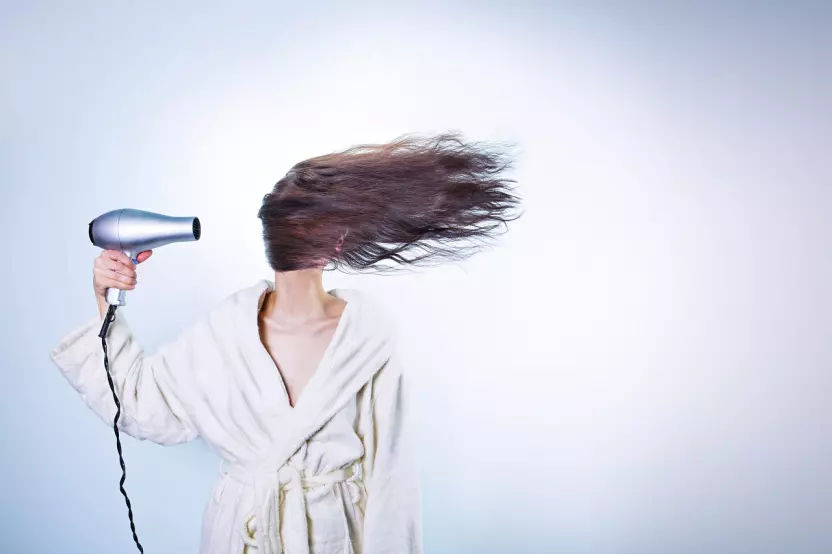
Your hair fiber consists mainly of a protein called keratin. These proteins stay together through various chemical bonds that determine if your hair stays straight or curls up tightly. Some of these bonds are permanent but others are quite fickle and temporary.
Hydrogen bonds fluctuate based on the moisture levels in the surrounding atmosphere. When you dry your hair or use a flat iron you temporarily set these bonds into a specific shape. High humidity levels introduce water molecules that sneak into your hair shaft and break those temporary connections.
The water molecules from the air form new bonds with the keratin proteins. This process causes the hair fiber to fold back into its natural state or swell outward. Your hair is not actually growing larger; it is simply reacting to the invisible water vapor floating around your head.
The Role of the Cuticle Layer
Think of your hair cuticle as the protective shingles on a roof. When these shingles lay flat and tight water cannot penetrate the inner core easily. Healthy hair usually possesses a smooth cuticle that reflects light and resists the pull of outside moisture.
Dry or damaged hair features raised cuticles that act like open doors for humidity. Once the moisture enters it disrupts the internal structure immediately. Chemical treatments and heat styling often lift these shingles and leave your strands vulnerable to the summer air.
Porosity and the Thirst for Humidity
The term porosity describes how easily your hair absorbs and retains moisture. High porosity hair behaves like a dry sponge in a rainstorm. It drinks up every bit of humidity in the air which leads to instant expansion and that dreaded fuzzy texture.
Low porosity hair has tightly packed cuticles that resist water. While this sounds ideal it also means your hair struggles to take in helpful conditioning treatments. Most women fall somewhere in the middle but summer weather pushes every hair type to its limit.
You can test your porosity by dropping a clean strand of hair into a glass of water. If it sinks quickly you have high porosity hair that requires extra sealing. If it floats on the surface your hair resists moisture but might still frizz if the external dew point rises high enough.
| Porosity Level | Reaction to Summer Air | Main Characteristic |
|---|---|---|
| Low Porosity | Slow expansion | Cuticles stay closed but reject products |
| Medium Porosity | Manageable volume | Absorbs the right amount of moisture |
| High Porosity | Instant frizz | Gaps in the cuticle let water in fast |
The Science of Surface Tension and Friction
Individual hairs do not just expand in isolation. As they swell they begin to rub against each other more frequently. This friction creates static electricity which pushes the strands apart and creates a halo effect around your head.
When the air stays dry your hairs glide past one another with minimal resistance. Humidity changes the surface texture of the hair and makes it slightly tacky. This stickiness prevents the hairs from laying neatly together in their original pattern.
The result looks like a tangled mess because the fibers are literally fighting for space. You see volume but you lose definition and shine. Physics dictates that the more moisture you have in the air the more your hair will seek to occupy a larger physical area.
Why Straight and Curly Hair React Differently

Straight hair tends to lose its shape and go limp or slightly wavy when the humidity spikes. The weight of the additional water molecules pulls the hair down while the broken hydrogen bonds ruin the sleekness. You might see a few flyaways but the main issue is usually a loss of style.
Curly hair faces a much more dramatic transformation in summer air. Because the hair shaft is already curved the cuticle remains naturally more open at the points where the hair bends. These openings allow moisture to flood the cortex of the hair much faster than it does in straight strands.
The curls then tighten or lose their uniform shape as different sections absorb water at different rates. This creates a mismatched texture where some curls look tight and others look like fuzzy zig zags. Your natural pattern effectively explodes because the internal proteins are moving in multiple directions at once.
Protective Barriers and Sealing Techniques
Since you cannot change the weather you must change how your hair interacts with the atmosphere. Creating a physical barrier between your keratin and the humidity remains the most effective strategy. Oils and silicones act as a raincoat for your individual strands.
Leave in conditioners provide an initial layer of hydration so your hair feels full and satisfied. If your hair is already “full” of good moisture it will not feel the need to seek out the dirty humid air. You effectively trick your hair into ignoring the environment.
- Apply a sealing oil after your cream based products to lock in the moisture
- Use anti humectant sprays that contain polymers to shield the hair shaft
- Avoid glycerin based products in high humidity as glycerin pulls water from the air into your hair
- Finish your style with a cool blast of air to help the cuticle lay flat
The Humectant Trap
Many people use heavy honey or glycerin products thinking they are moisturizing their hair. In a dry office these ingredients actually pull moisture out of your hair and into the air. In a humid summer breeze they pull too much water into the hair and cause a blowout.
Switching to film forming conditioners during the summer months helps maintain control. These products create a thin transparent layer that keeps your internal moisture in and the external humidity out. Look for ingredients like marshmallow root or flaxseed gel for a natural way to achieve this seal.
The Physics of Drying Methods
How you dry your hair sets the stage for how it reacts to the sun. Rough drying with a cotton towel creates micro tears in the cuticle. These tears provide the perfect entry points for summer humidity to wreck your look later in the day.
Switching to a microfiber towel or an old cotton t shirt reduces the friction significantly. Squeeze the water out gently instead of rubbing the hair back and forth. This keeps the cuticle shingles flat from the very beginning of your styling routine.
Using a diffuser on a low heat setting helps set the curls without disturbing the natural alignment. If you air dry avoid touching your hair while it is wet. Every time you touch wet hair you create friction and disrupt the bonds that are trying to set into a smooth shape.
Mechanical Damage and Summer Stress

The sun itself contributes to the physics of frizz through ultraviolet radiation. UV rays break down the protein structure of your hair and the pigments that protect it. This damage makes the hair more porous and more likely to react poorly to humid air.
Think of your hair like a piece of wood left out in the sun. Over time it becomes brittle and develops cracks. These cracks allow moisture to seep in more effectively than it would in healthy sealed wood. Wearing a hat or using hair products with UV filters provides the necessary protection.
Chlorine from pools and salt from the ocean also strip away the natural sebum that coats your hair. Without this natural oil your hair has no defense system. Always rinse your hair with fresh water after swimming to remove these drying agents before they can cause permanent structural changes.
Strategic Styling for High Humidity
Sometimes the physics of the atmosphere wins no matter how many products you apply. In these cases you should work with the volume rather than against it. Updos and braids physically hold the hair strands together and prevent them from expanding outward.
Braiding your hair while it is slightly damp can create a controlled wave pattern that resists frizz better than a loose style. The tension of the braid keeps the hydrogen bonds in a specific alignment. Even when the moisture tries to interfere the physical structure of the braid provides a level of resistance.
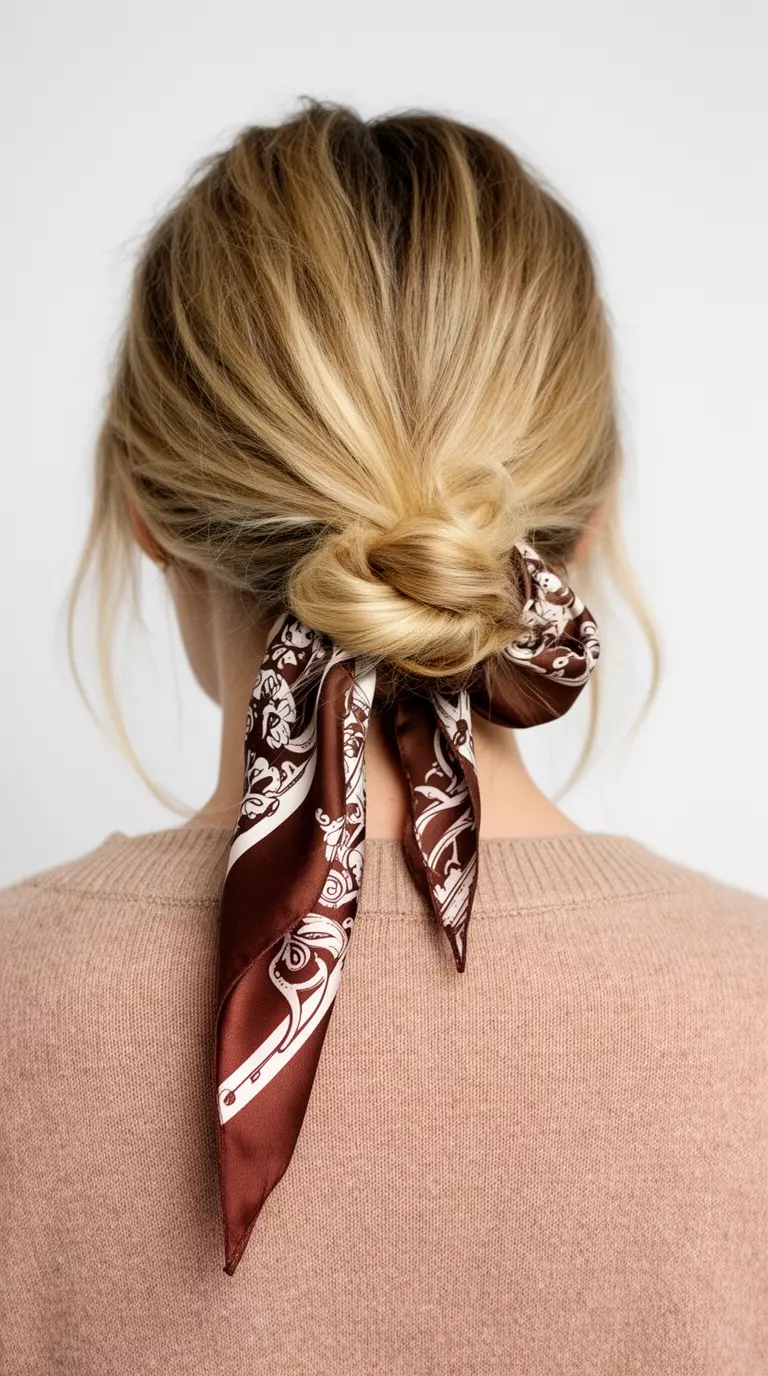
Accessories like silk scarves or headbands also help manage the areas that frizz the easiest. The hairline usually features shorter finer hairs that react most aggressively to the air. Covering these sections keeps your look polished even when the dew point hits record highs.
The Impact of Water Temperature
Physics starts in the shower before you even step outside. Hot water swells the hair shaft and lifts the cuticle just like a humid day does. If you wash your hair with very hot water you are essentially pre frizzing your hair before you even reach for a towel.
Rinsing with cool water encourages the cuticle to close and lie flat against the shaft. This creates a smoother surface that reflects more light and provides better resistance to the summer air. It is a simple mechanical change that makes a noticeable difference in how your style holds up throughout the day.
The cool water also helps your conditioner stay within the hair rather than washing it all away. This leaves a thin protective film that serves as your first line of defense against the elements. It feels unpleasant for a second but your hair will thank you when you step out into the heat.
FAQ
Why does my hair frizz even when I use expensive products?
Price does not always determine effectiveness if the ingredients do not match your environment. Many high end products contain humectants that actually attract moisture from the humid air into your hair shaft. You need to look for sealing agents like silicones or natural oils that create a physical barrier against the water vapor.
Can I ever truly stop my hair from expanding in the summer?
You can significantly reduce the expansion but you cannot entirely fight the laws of physics. Hair is naturally hygroscopic which means it will always want to exchange moisture with the air around it. Consistent deep conditioning and the use of anti humectant sealants provide the best possible control over this process.
Does cutting my hair help with summer frizz?
Removing damaged or split ends helps because those areas are the most porous parts of your hair. When the ends are frayed they absorb moisture much faster and allow the frizz to travel up the hair shaft. Regular trims keep the ends sealed and help your hair maintain its intended shape during the humid months.
Is it better to air dry or blow dry during the summer?
A controlled blow dry with a nozzle or diffuser often provides better frizz resistance than air drying. The heat helps set the hydrogen bonds into a smooth shape while the airflow can help seal the cuticle if pointed downward. Air drying in a humid room often allows the hair to frizz before it even finishes drying.