Linen vs. Cotton vs. Rayon: Which Summer Fabric is Best for You?
The summer sun feels wonderful until your favorite outfit turns into a personal sauna. You deserve to look chic without melting into the pavement by noon. Choosing the right material changes everything about how you experience the heat and how others perceive your style.
The Elegant Struggle of Linen
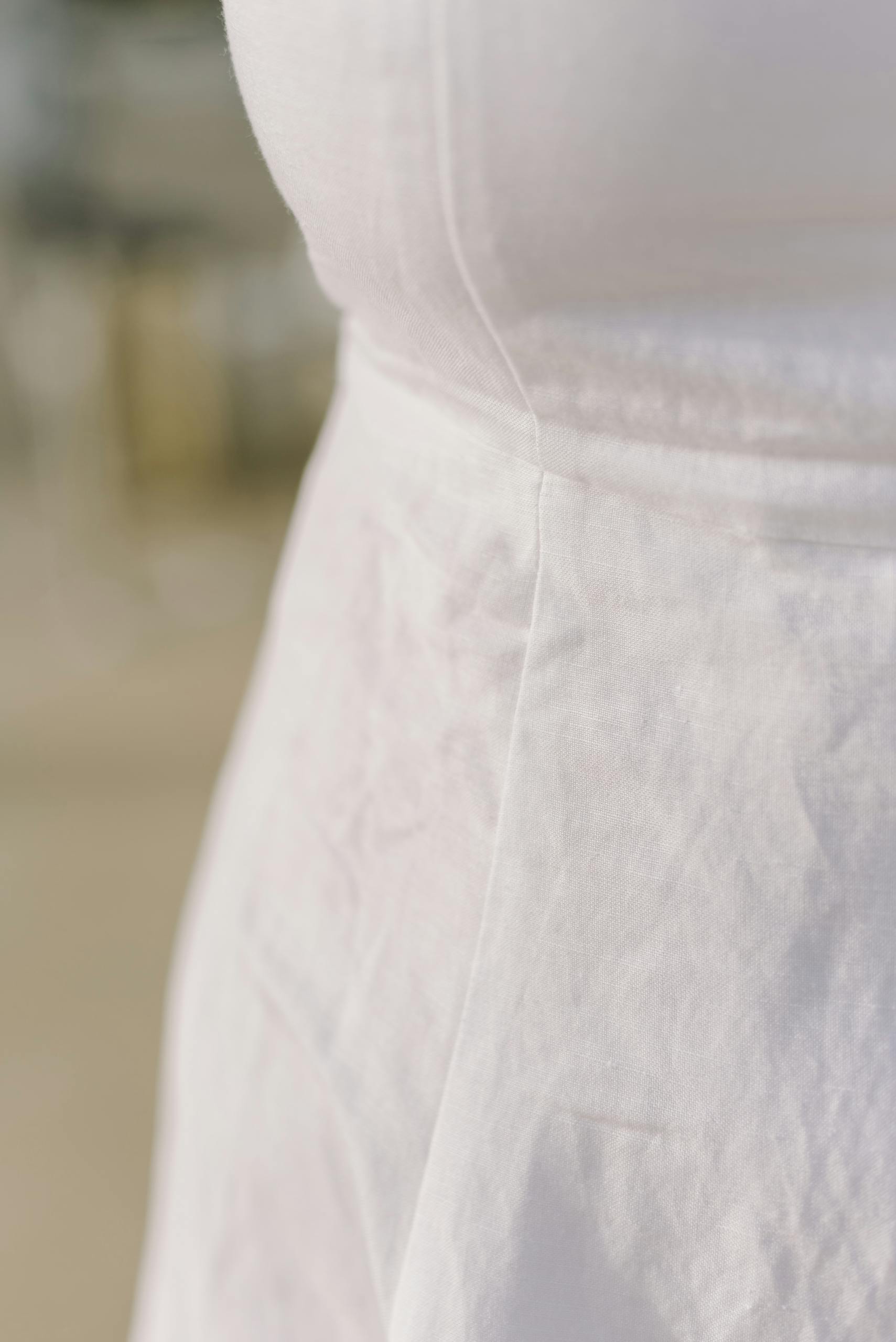
Linen remains the undisputed queen of Mediterranean vacations and backyard garden parties. This material comes from the flax plant and features a hollow fiber that encourages massive airflow. You will notice that linen feels slightly stiff at first but softens beautifully with every single wash.
History suggests that the ancient Egyptians loved linen for good reason. It absorbs moisture rapidly and releases it into the air even faster. You can walk through a humid outdoor market and feel a literal breeze passing through your shirt. It makes you feel like a sophisticated traveler even if you are just running to the grocery store.
The Wrinkle Factor
You must accept the wrinkles if you choose to wear linen. Some fashionistas call these creases the mark of luxury or a relaxed lifestyle. If you demand a perfectly pressed look at five in the evening, linen might drive you to the brink of madness. Think of the rumpled texture as a personality trait rather than a flaw.
Linen lacks elasticity entirely. This means your clothes will not stretch out of shape during the day, but they also will not move with you like spandex. You should buy linen pieces in a slightly loose silhouette to maximize your comfort and the cooling effect.
Cotton is the Reliable Best Friend
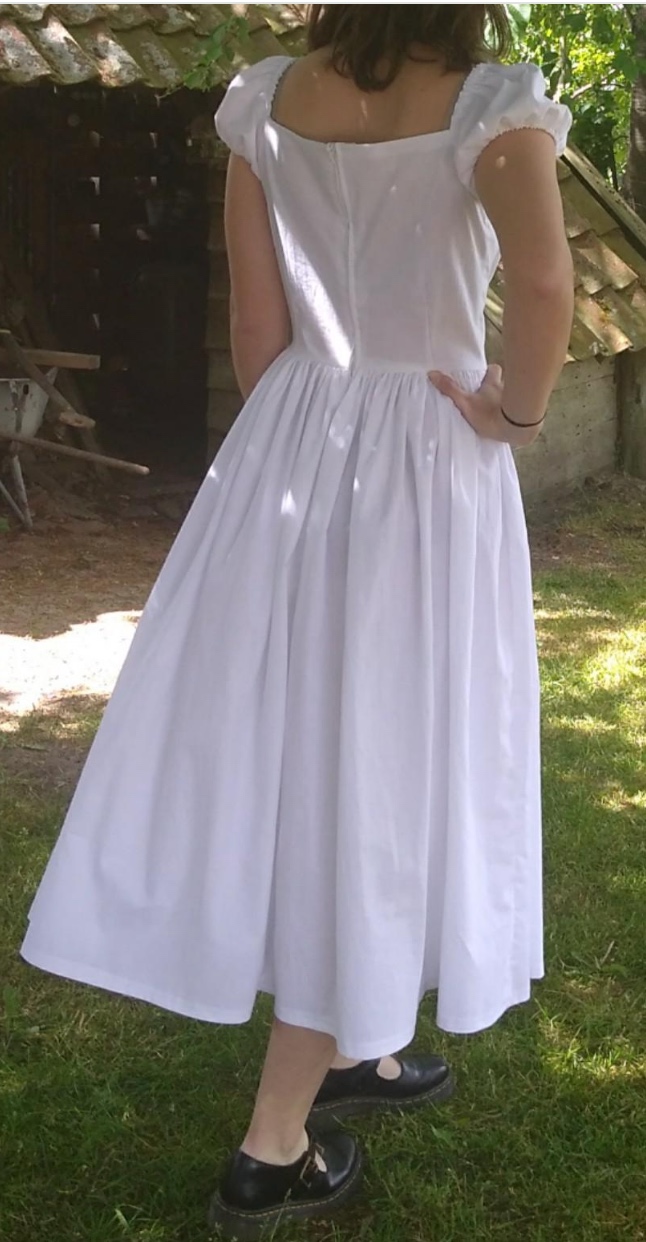
Cotton serves as the backbone of almost every summer wardrobe because it feels familiar and safe. This natural fiber offers a softness that linen sometimes lacks during its first few wears. You can find cotton in everything from heavy denim to whisper thin voiles that feel like a cloud on your skin.
The versatility of cotton allows designers to create structured dresses or flowing skirts with ease. It handles sweat well by drawing moisture away from your body. However, cotton holds onto that moisture longer than linen does, which can leave you feeling a bit damp if the humidity spikes.
The Different Weights of Cotton
Not all cotton fabrics perform the same way in the heat. A thick cotton jersey might feel suffocating when the temperature hits ninety degrees. You should look for specific weaves that promote breathability and lightness.
- Cotton Gauze: This fabric features a crinkled texture and a very loose weave that lets your skin breathe.
- Poplin: This is a tightly woven but very thin fabric that looks crisp and professional for office wear.
- Seersucker: The classic puckered texture keeps the fabric away from your skin and encourages airflow.
- Chambray: This offers the look of denim without the heavy weight that makes traditional jeans unbearable in July.
The Modern Mystery of Rayon
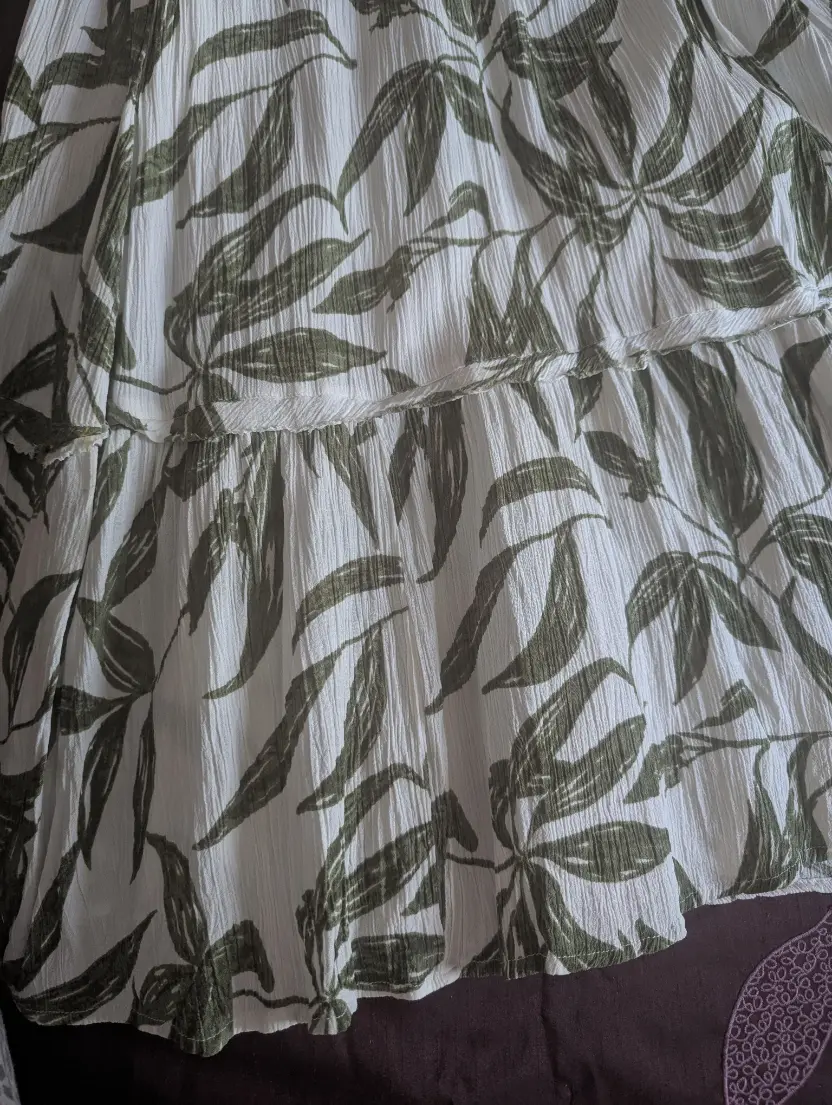
Rayon occupies a strange middle ground because it starts as wood pulp but undergoes heavy chemical processing. Many people mistake it for silk because it drapes beautifully and feels cool to the touch. It is often the most affordable option when you want a dress that flutters elegantly as you walk.
While rayon feels thinner and lighter than cotton, it is actually less breathable because it is a semi synthetic fiber. It does not wick moisture away from your skin particularly well. On a dry summer day, you will feel like a goddess, but on a swampy afternoon, you might find the fabric sticking to your back.
Caring for Your Rayon Pieces
Rayon behaves like a sensitive child when it meets water. Many rayon garments will shrink or lose their shape entirely if you toss them into a standard washing machine. You should always check the care label before you buy because many of these pieces require hand washing or dry cleaning.
If you live in a city with extreme humidity, rayon can become quite heavy. It loses its structural integrity when it gets wet. However, for a fancy dinner or a summer wedding, the way rayon flows around your legs is hard to beat for the price point.
Comparing Your Summer Options
Deciding between these three depends entirely on your daily routine and your tolerance for iron maintenance. A linen shirt says you are effortlessly cool, while a cotton dress says you are practical and comfortable. Rayon is for the woman who wants maximum movement and a silky feel without the silk price tag.
| Feature | Linen | Cotton | Rayon |
|---|---|---|---|
| Breathability | Excellent | Good | Moderate |
| Durability | Highest | High | Low |
| Wrinkle Resistance | Very Low | Moderate | High |
| Dry Time | Fastest | Fast | Slow |
Choosing the Best Fabric for Your Lifestyle
Think about where you spend your time during the hottest months. If you spend your days in a professional office, a crisp cotton poplin or a linen blend will keep you looking sharp. For those who spend summer at the beach or at outdoor festivals, organic linen is your greatest ally against heatstroke.
You can also find blends that give you the best of both worlds. A linen and cotton blend will wrinkle less than pure linen but breathe better than pure cotton. These hybrids often solve the problems that make the pure versions frustrating to wear for a full twelve hour day.
Color and Sunlight
The fabric type matters, but the color you choose plays a secondary role in your comfort. Light colors reflect heat while dark colors absorb it. A black linen dress might still feel warmer than a white rayon top if you stand directly in the sun for an hour.
Synthetic dyes sometimes react differently to these fibers too. Cotton holds onto vibrant colors for a long time. Linen tends to have a more muted or natural aesthetic. Rayon can take on incredibly bright and saturated prints that look stunning in vacation photos.
Common Summer Fabric Questions
Does rayon shrink more than cotton or linen?
Rayon is notorious for shrinking if you use hot water or a high heat dryer setting. While cotton and linen can shrink during their first wash, rayon can actually change size every time you wash it if you are not careful. Always use cold water and air dry your rayon garments to keep them fitting correctly.
Is linen really worth the high price tag?
Linen usually costs more because the production process is labor intensive and the material lasts for decades. Unlike cotton which eventually thins out and tears, linen actually gets stronger and more comfortable with age. You are buying a piece that will likely outlast five cheaper rayon shirts.
Which fabric shows the most sweat marks?
Light colored cotton is the biggest offender when it comes to visible sweat patches. Linen hides moisture better because of its thicker fibers and textured weave. Rayon can show dark spots quickly, and because it dries slowly, those spots will stay visible for a much longer time.
You now have the knowledge to navigate the racks of your favorite boutiques without fear. Pick the fiber that matches your energy and let the summer breeze do the rest of the work. Your skin will thank you when the thermometer starts to climb.