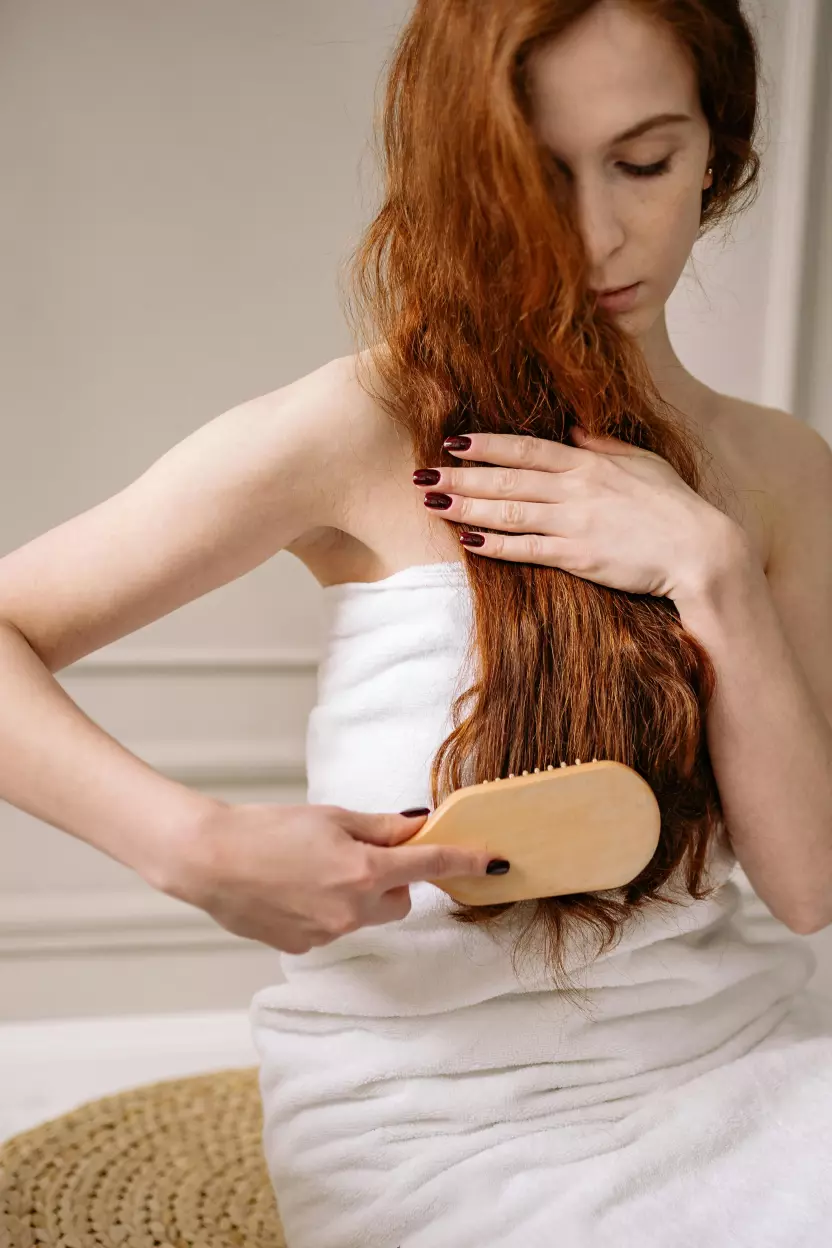
How to Clean Your Hairbrush Properly to Prevent Breakage?
You probably spend a small fortune on luxury shampoos and silk pillowcases to keep your hair healthy. Yet, you likely ignore that fuzzy, gray monster living on your vanity. A dirty hairbrush harbors oils and yeast that snap your strands while you sleep.
The Science of Scum and Broken Strands

Your hairbrush acts like a magnet for everything you want to keep away from your scalp. Dead skin cells, old product residue, and environmental dust create a sticky film on every bristle. This grime creates friction every time you pull the brush through your hair.
Friction leads directly to mechanical breakage. When the bristles encounter resistance from built up gunk, they tug harder on the hair shaft. This tension causes the outer cuticle to lift and eventually snap. You are not just brushing your hair; you are dragging it through a sandpaper like obstacle course.
Microscopic Hitchhikers
Bacteria and fungi love the warm, humid environment of a bathroom. They feast on the sebum trapped in your brush. Transferring these microbes back to your clean scalp can lead to inflammation. An inflamed scalp produces weaker hair that breaks before it even gets a chance to grow long.
Frequency Matters for Hair Health
Most people wait until the brush looks like a small rodent before they consider cleaning it. You need to clear out the stray hairs after every single use. A deep clean should happen at least once every two weeks if you use styling products daily.
If you have oily hair or suffer from dandruff, you should aim for a weekly deep soak. Ignoring this schedule means you are simply redepositing old grease onto your fresh blowout. Your hair will look limp, and you will find yourself brushing more often, which increases the risk of damage.
Think of your hairbrush like a makeup sponge or a toothbrush. You would not use those for six months without a wash. Your hair deserves the same level of hygiene if you อยาก avoid split ends and thinning patches.
Tools for the Perfect Clean

You do not need fancy equipment to restore your brush to its former glory. Most of these items already live in your kitchen or bathroom cabinets. Grab a pointed tool like a rat tail comb or a pair of small scissors to start the process.
A gentle clarifying shampoo works best for the actual washing phase. Avoid harsh detergents that might degrade the glue holding the bristles in place. A dedicated cleaning brush or even an old toothbrush will help you reach the base of the handle where the real grime hides.
You also need a bowl large enough to submerge the bristles without drowning the entire handle. Water temperature plays a role too. Lukewarm water dissolves oils without warping the plastic or wood components of your favorite styling tool.
| Tool Name | Purpose |
|---|---|
| Rat Tail Comb | Lifts trapped hair from the base |
| Surgical Scissors | Cuts through stubborn hair tangles |
| Clarifying Shampoo | Dissolves oils and product buildup |
| Old Toothbrush | Scrubs between narrow bristle rows |
The Step by Step Restoration Process
Start by removing every single strand of hair from the brush. Use the end of your rat tail comb to lift the matted hair away from the cushion. If the hair feels too tight to pull, slide your scissors under the mass and snip a straight line down the center.
Once you clear the debris, fill your bowl with warm water and a squeeze of shampoo. Swirl the water to create suds. Dip only the bristles into the mixture to protect the padding and the handle from water damage.
Use your cleaning tool or toothbrush to scrub the base of each bristle. Focus on the areas where the bristles meet the cushion. This spot usually collects a gray, lint like substance that is actually a mix of skin, oil, and hair spray residue.
Rinsing for Success
Rinse the brush under a gentle stream of cool water. Keep the bristle side facing down during this process. This technique prevents water from seeping into the air hole of the cushion, which leads to mold growth.
Give the brush a gentle shake to remove excess moisture. If you hear a squishing sound, water has entered the cushion. Squeeze the pad gently against a dry towel until the water exits the vent hole. Never leave water sitting inside the brush body.
Special Care for Different Brush Types
Not all brushes handle water the same way. A plastic detangling brush can survive a full bath without any issues. However, if you own a high end boar bristle brush, you must treat it like a fine cashmere sweater.
Natural bristles absorb water and can become brittle if they dry too quickly. Use a very mild soap for these. Minimize the soaking time and focus on quick, efficient scrubbing. Avoid getting the wooden handle wet, as wood expands and cracks when exposed to moisture.
Electric or heated brushes require total moisture avoidance. Never submerge these tools in water. Use a damp cloth and a drop of rubbing alcohol to wipe down the surface of the heating elements once the device is completely cool and unplugged.
- Plastic brushes: Soak for 10 minutes for a deep clean.
- Boar bristle brushes: Dip and scrub quickly; do not soak.
- Wooden brushes: Keep the handle dry to prevent rot and cracking.
- Paddle brushes: Pay extra attention to the air vent in the cushion.
Drying Your Brush Safely
The drying phase is where most people fail. Do not use a blow dryer to speed up the process. Excessive heat can melt plastic bristles or damage the natural fibers of a high quality brush. Patience prevents you from buying a replacement brush every three months.
Lay your brush face down on a clean, dry towel. This position allows any remaining water to gravity drain away from the handle and the cushion. Air circulation is your best friend here, so do not hide the brush in a dark drawer while it is still damp.
Wait at least 12 to 24 hours before using the brush again. Using a damp brush on dry hair creates a breeding ground for bacteria right on your head. If you brush your hair twice a day, consider owning two identical brushes so you always have a dry one ready.
Common Mistakes That Cause Breakage

Using a dirty brush is the fastest way to ruin a healthy head of hair. The buildup acts as a jagged edge that catches on the hair shaft. You might think your hair is naturally frizzy, but the culprit is often the microscopic friction from a grimy brush.
Another mistake involves using the wrong cleaning agents. Never use dish soap or bleach on your hairbrush. These chemicals strip the protective coatings from the bristles, making them rough and porous. A rough bristle acts like a saw against your delicate hair strands.
Finally, avoid the temptation to boil your brush. While heat kills germs, it also destroys the structural integrity of the plastic. A warped brush will have misaligned bristles that pull and snap your hair in ways you cannot even see until the split ends appear.
The Lint Trap Trap
That gray “fuzz” you see at the bottom of the bristles is not just dust. It is a dense mat of fibers and oils. If you do not remove it, the brush cannot glide through your hair. Instead of separating your strands, the brush drags the mat across them, causing massive tension and breakage at the mid lengths.
When to Toss Your Brush Entirely
Cleaning can perform miracles, but some brushes are beyond saving. If you notice the little protective balls on the ends of the bristles have vanished, throw the brush away immediately. Those missing tips mean you are dragging sharp, raw plastic across your scalp and hair.
If the cushion feels stiff or starts to crack, the brush has reached the end of its life. A cracked cushion cannot provide the “give” needed to detangle gently. This lack of flexibility leads to a sudden snap when you hit a knot, rather than a gentle release.
You should also replace your brush if the bristles have started to splay outward like a dying palm tree. Once the bristles lose their shape, they no longer distribute oils or detangle efficiently. You will find yourself brushing the same section of hair repeatedly, which only increases mechanical damage.
Frequently Asked Questions
Can I put my hairbrush in the dishwasher?
You should never put a hairbrush in the dishwasher. The intense heat and harsh detergents will melt plastic components and ruin natural bristles. Stick to hand washing with gentle shampoo to keep your tools and your hair safe.
How do I get the gray lint out of my brush?
The best way to remove that stubborn gray lint is with an old toothbrush or a fine toothed comb. Dip the toothbrush in soapy water and scrub horizontally across the base of the bristles. This friction lifts the lint so you can rinse it away easily.
Does a dirty brush cause hair loss?
While a dirty brush might not cause clinical hair loss, it certainly causes significant breakage that looks like thinning. The bacteria on a dirty brush can also cause scalp issues like folliculitis. These conditions can weaken the hair follicles and lead to temporary shedding.
Treating your hairbrush with respect saves your hair from unnecessary trauma. A clean tool glides through your strands like a dream and keeps your scalp healthy. Go ahead and give that brush a bath today. Your hair will certainly thank you for it by staying attached to your head.