What is the Difference Between Balayage and Highlights?
You find yourself sitting in the salon chair staring at a menu of services that looks like a foreign language textbook. Your stylist asks if you want balayage or traditional highlights while you panick and wonder if there is actually a difference. Stop the frantic searching right now.
Selecting the wrong technique results in a look you did not want and a bill you definitely did not anticipate. I will explain exactly how these two methods differ so you can walk into your next appointment with absolute confidence. Your hair deserves better than a guess and a prayer.
Understanding the Mechanics of Foils and Brushes
Traditional highlights rely on a very specific set of tools and a mathematical approach to hair color. Your stylist separates tiny sections of hair and weaves them with a metal comb before wrapping them in aluminum foil. This creates a controlled environment where the lightener works its magic from the root all the way to the tip.
The foil acts as a conductor of heat which speeds up the lightening process and ensures every strand inside gets maximum lift. You end up with distinct lines of color that look very intentional and uniform. If you enjoy a look that screams “I just spent four hours and half a paycheck on my hair,” foils are your best friend.
Balayage takes a completely different path that feels much more like an art project than a science experiment. The word comes from the French term meaning to sweep. Your stylist literally sweeps the lightener onto the surface of your hair using a freehand motion without any foils to trap the heat.
This method focuses the color on the mid lengths and ends while leaving the roots mostly untouched. Because the air hits the lightener while it sits on your hair, the lift remains subtle and soft. You look like you spent a month on a Mediterranean beach instead of an afternoon under a noisy hooded dryer.
The Geometric Precision of Highlights
Highlights follow a pattern that designers call “symmetrical.” Your stylist places the foils in specific rows and sections to ensure the color sits evenly across your entire head. This allows for a massive amount of brightness right at the scalp which many people prefer.
You can choose between partial foils or a full head depending on how much change you want to see. Partial highlights focus on the top layer and the sides near your face. A full head involves your stylist working through every single layer including the hair at the nape of your neck.
The Painterly Flow of Balayage
Balayage painters look at your hair as a canvas rather than a grid. They choose specific strands to lighten based on how your hair naturally moves and where the sun would hit it. This creates a much more organic result that blends seamlessly with your base color.
Since the lightener is applied to the surface, the underside of the hair section often remains dark. This creates shadows and depth that make your hair look thicker and more voluminous. It is the ultimate “cool girl” hair technique that looks effortless even though it takes significant skill to master.
Maintenance and the Dreaded Regrowth Line
Maintenance represents the biggest divide between these two popular services. Traditional highlights grow out with a very sharp, noticeable line of demarcation. As your natural hair grows in, the start of the highlight moves down your head, creating a clear stripe that tells the world you missed your salon visit.
Most people who choose highlights find themselves back in the salon every six to eight weeks. If you wait longer, that root line becomes a permanent resident on your forehead. It is a high maintenance lifestyle that requires a dedicated schedule and a healthy beauty budget.
Balayage offers a much more forgiving lifestyle for those of us who forget to book appointments until our hair looks like a disaster. Since the color starts further down the hair shaft and features a blurred transition, you do not get that harsh line. Your natural roots blend into the lightened pieces perfectly.
You can often go three, four, or even six months between balayage sessions. You might visit the salon for a quick toner to keep the brassiness away, but the actual lightening process happens much less frequently. It is the perfect choice for the person who values sleep and extra money over a perfect root touch up.
| Feature | Traditional Highlights | Balayage |
|---|---|---|
| Application | Foils and weaving | Freehand painting |
| Root Appearance | Color starts at the scalp | Natural root remains |
| Maintenance | High (6 to 8 weeks) | Low (3 to 6 months) |
| Overall Look | Uniform and structured | Blended and sun kissed |
Choosing the Best Option for Your Hair Type

The texture of your hair plays a massive role in which technique will look best. People with very straight hair often find that traditional highlights look more defined and clean. Every tiny streak of color shows up clearly, which can add a sense of texture to hair that otherwise looks a bit flat.
However, straight hair also reveals mistakes more easily. If your stylist slips or creates a “bleed” with the foil, you will see it immediately. You need a technician with a steady hand and a lot of patience when you opt for the foil method on pin straight locks.
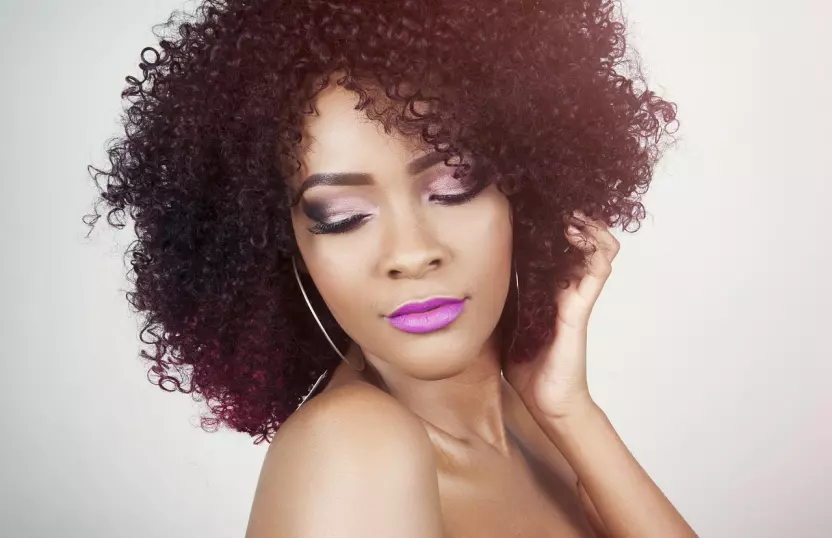
Curly and wavy hair types absolutely shine with balayage. The freehand painting allows the stylist to follow the curve of each individual curl. By placing lightener on the “humps” of the waves, they accentuate the bounce and movement of your hair in a way foils never could.
If you have very dark hair and want to become a platinum blonde, balayage might leave you feeling underwhelmed. Because the hair stays open to the air, it does not get as light as it would inside a foil. You should stick with foils if you want to see a drastic change in your overall level of blonde.
Customizing Your Look with Modern Techniques
Stylists often combine these methods to give you the best of both worlds. You might hear the term “foilyage” tossed around during your consultation. This hybrid technique uses the hand painted placement of balayage but wraps the ends in foil to get them extra bright.
Another popular addition is the “money piece.” This involves placing two bright foils right at the front of your hairline. It gives you that instant brightness around your face while the rest of your hair enjoys the low maintenance lifestyle of a balayage.
- Babylights: Extremely thin highlights that mimic the hair of a child who spent the whole summer outside.
- Lowlights: Darker strands mixed into your highlights to add depth and prevent your color from looking “washed out.”
- Glossing: A demi permanent treatment applied after lightening to perfect the tone and add incredible shine.
- Root Smudge: A technique where the stylist applies a darker color to your roots after highlighting to blur the growth line.
The Cost Factor of Salon Services
You should prepare your wallet for the initial balayage appointment. Because this requires a high level of artistic training and more time in the chair for the painting process, the upfront cost usually exceeds traditional highlights. It is an investment in your look that pays off later.
While the first visit costs more, you save money over the course of a year. Paying for two expensive balayage appointments per year usually costs less than paying for six “cheaper” highlight appointments. Think of it as buying a high quality leather jacket instead of a cheap one you have to replace every month.
The Health of Your Hair
Lightening your hair always involves some level of chemical stress. Foils trap heat and push the lightener deep into the hair cuticle, which can lead to dryness or breakage if overdone. You must use high quality masks and heat protectants to keep your foiled hair looking healthy.
Balayage is generally considered “safer” because the lightener sits on the surface and does not always penetrate as deeply. You also lighten your hair far less often, giving your strands a much needed break. Your hair will likely feel softer and stronger over time if you choose the hand painted route.
Frequently Asked Questions
Can I switch from highlights to balayage?
You can definitely make the change, but it usually requires a “bridging” appointment. Your stylist will likely use a root smudge to blur your existing foil lines and then paint highlights into the remaining dark areas. It takes one or two sessions to achieve a perfectly blended balayage look after years of foils.
Which technique covers gray hair better?
Traditional highlights are superior for camouflaging gray hair because the color goes all the way to the scalp. The fine lines of the highlights blend with the gray hairs to create a salt and pepper effect that looks very natural. Balayage leaves your roots natural, so your grays will still show at the top of your head.
Does balayage work on short hair?
You can certainly get balayage on short hair, but it requires a very skilled stylist to avoid looking like a “home dye job” gone wrong. Pixie cuts usually look better with tiny babylights or traditional foils because there is not enough length to create a beautiful gradient. If you have a bob or a lob, balayage looks fantastic.
How do I describe what I want to my stylist?
You should always bring photos rather than relying on words alone. One person’s “honey blonde” is another person’s “copper,” so visual aids are your best friend. Show your stylist exactly where you want to see the brightness and how much of your natural root you want to keep visible.
Now you know why that balayage price tag is so much higher and why your friend with the foils is always at the salon. You have the power to choose between the structured perfection of foils or the artistic movement of a hand painted look. Stop stressing and go get the hair you actually want.