Why Does Hair Color Fade? (And How to Stop It)
You left the salon looking like a million bucks. A week later, your vibrant ruby mane looks more like a rusty copper pipe. Why does your hair color abandon you so quickly? Here is how you can stop the vanishing act and keep your shade sharp.
The Science of Color Loss
Your hair fiber acts like a sponge with tiny scales called cuticles. When you dye your hair, chemicals lift these scales to deposit pigment inside the shaft. Gravity and chemistry eventually conspire to pull those pigments back out of your head.
Red pigments possess the largest molecular size of any hair color. Because they are so bulky, they struggle to stay anchored inside the hair strand. This explains why your fiery red hair often turns into a dull peach after just three showers.
Permanent dyes stay longer than semi-permanent options because they alter the internal structure of the hair. However, even the toughest permanent dye cannot survive if your hair cuticles stay wide open. Open cuticles allow color molecules to slip out every time you get your hair wet.
Porosity and Your Hair Health
Highly porous hair has gaps and holes in the cuticle layer. If you use bleach frequently, your hair likely suffers from high porosity. Think of your hair like a bucket with holes; you can pour as much color in as you want, but it will leak out the bottom instantly.
Low porosity hair resists moisture but also resists color penetration. Most people fall somewhere in the middle until heat styling or chemical treatments distort the cuticle. Maintaining a healthy protein balance helps close these gaps and trap the pigment where it belongs.
Your Shower Is the Primary Suspect
Water accounts for eighty percent of color fading. Every time you soak your head, your hair swells and the cuticle lifts. This allows water to rinse away the expensive pigments you just paid your stylist to apply.
Hot water acts as a solvent that strips oils and color faster than cold water. If you enjoy steaming hot showers, you are effectively melting the color off your head. Your hair prefers a temperature that makes you slightly uncomfortable and shivery.
The Problem With Tap Water

Your tap water contains minerals like calcium, magnesium, and even chlorine. These minerals create a film on your hair that makes color look muddy or brassy. Chlorine acts as a mild bleach that oxidizes the dye molecules and lightens your desired shade.
Consider installing a filtered shower head to remove these harsh elements. A filter stops the chemical reaction between your tap water and your hair dye. It is a small investment that pays for itself by extending the time between salon appointments.
Heavy metals in water can also cause greenish tints in blonde hair. If you notice your hair feeling crunchy after a wash, your water is likely the culprit. Deep cleansing treatments can remove this buildup, but they also take some color with them.
Sulfates Are Not Your Friends
Sulfates act like high strength detergents designed to strip grease and dirt. They also happen to strip synthetic pigments with ruthless efficiency. Most cheap shampoos contain Sodium Lauryl Sulfate which creates a bubbly lather but ruins your color.
Switch to a sulfate free shampoo to preserve your hair integrity. These formulas use gentler surfactants that clean your scalp without opening the cuticle. You might notice less foam, but your hair will retain its vibrancy for several extra weeks.
Shampooing every day also contributes to rapid fading. Try to stretch your wash cycle to every two or three days. Use dry shampoo on your roots to manage oil while keeping your mid lengths and ends dry and colorful.
The Sun Is a Giant Bleach Bottle in the Sky
Ultraviolet rays break down the chemical bonds in your hair dye through a process called oxidation. If you spend time outdoors without protection, the sun will lighten your hair just like it bleaches a piece of paper. This process turns cool tones warm and makes dark tones look washed out.
Think of your hair like your skin; it needs a shield against the sun. Most people apply sunscreen to their face but completely forget about their scalp and hair. UV damage is irreversible and can only be fixed by adding more dye or cutting the damaged ends.
Protecting Your Hair From UV Rays
Wear a hat when you plan to spend hours in direct sunlight. A wide brimmed hat provides a physical barrier that no chemical spray can beat. It also protects your scalp from painful sunburns that lead to flaking and irritation.
Use hair products that contain UV filters. Leave in conditioners and finishing oils often include ingredients that reflect or absorb ultraviolet radiation. These products act like a tinted window for your hair strands.
Heat Styling Is Killing Your Vibe
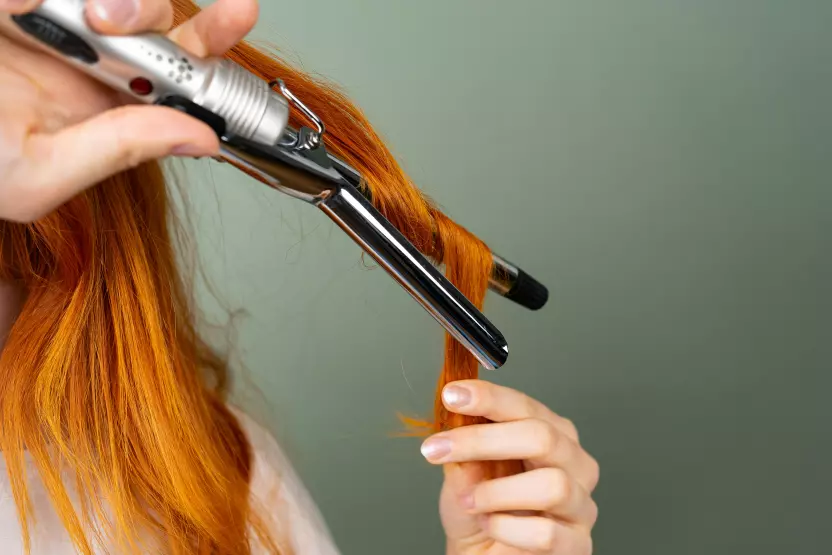
Flat irons and curling wands reach temperatures high enough to bake the color right out of your hair. Extreme heat causes the remaining moisture in your hair to turn into steam. This steam pushes its way out of the hair shaft, taking pigment molecules with it.
Turn down the temperature on your styling tools. Most people do not need their flat iron set to four hundred degrees to achieve a smooth look. Use the lowest effective setting to minimize the thermal damage to your color.
Always apply a heat protectant spray before your hair touches any hot metal. These sprays create a thin layer that slows down the heat transfer to the hair core. It is the difference between putting a tray in the oven with a mitt or using your bare hands.
How to Stop the Fade
Stopping the fade requires a tactical approach to your daily routine. You do not need to live in a dark cave, but you must change how you handle your hair. Small adjustments yield the biggest results over time.
- Wait at least seventy two hours after coloring before your first wash.
- Rinse your hair with cool water to seal the cuticle flat.
- Use a color depositing conditioner once a week to refresh the tone.
- Squeeze the water out of your hair instead of rubbing it with a towel.
- Avoid swimming in chlorinated pools without a protective cap or a layer of conditioner.
Conditioning is your secret weapon in the fight against fading. Well hydrated hair holds onto color much better than dry, brittle hair. Focus your conditioner on the ends of your hair where the oldest and most porous strands live.
Choosing the Right Products

Look for products labeled specifically for color treated hair. These formulas usually have a lower pH level which keeps the cuticle closed. A closed cuticle reflects more light, making your color look shiny and expensive.
| Product Type | Benefit for Color | Usage Frequency |
|---|---|---|
| Sulfate-Free Shampoo | Prevents aggressive stripping of pigment | 2-3 times per week |
| Purple/Blue Shampoo | Neutralizes brassy yellow or orange tones | Once per week |
| Deep Treatment Mask | Repairs porosity to lock in color | Once every ten days |
| Leave-in UV Protectant | Blocks sun damage and oxidation | Daily |
A purple shampoo works wonders for blondes by cancelling out yellow tones with violet pigments. Brunettes can find blue shampoos that combat unwanted orange or red hues. These products do not replace dye, but they keep the existing color looking fresh and intentional.
Lifestyle Habits That Ruin Color
Smoking and pollution also contribute to color degradation. Environmental toxins attach to the hair and cause chemical reactions that dull the shine. If you live in a city, you face more oxidative stress than someone living in the countryside.
Your pillowcase choice matters more than you realize. Cotton pillowcases are abrasive and soak up the natural oils from your hair. Friction during the night can roughen the cuticle and lead to color loss through mechanical damage.
Switch to a silk or satin pillowcase to reduce friction while you sleep. Your hair will glide over the surface instead of snagging on rough cotton fibers. This simple change helps keep the hair surface smooth and the color intact.
Dietary Impact on Hair Color
Believe it or not, your diet affects how well your hair holds color. Hair grows from the inside out, and healthy hair starts with proper nutrition. Biotin, zinc, and iron support the strength of the hair structure.
Drink plenty of water to keep your hair hydrated from the roots. Dehydrated hair becomes brittle and porous, which we already know is a recipe for color fading. A healthy body produces healthier hair that serves as a better canvas for dye.
Common FAQ About Fading Content
Can I use baby shampoo on color treated hair?
No, baby shampoo often has a high pH level to prevent stinging the eyes. This high pH opens the hair cuticle and causes color to wash away much faster than standard shampoo. Stick to formulas designed for adults with colored hair.
Does dry shampoo actually help preserve color?
Yes, dry shampoo is a lifesaver for color longevity. By absorbing oil at the roots, it allows you to skip traditional water washes. Since water is the main cause of fading, every day you skip a wash is a win for your hair color.
Will a cold rinse really make a difference?
A cold rinse definitely helps by snapping the cuticle shut after your conditioning treatment. It also boosts shine because a flat cuticle reflects light better than a raised one. You do not need an ice bath, but lukewarm to cool water is best.
Maintaining vibrant hair color takes effort, but the results make the work worthwhile. Treat your hair like a delicate fabric rather than a rugged floor mat. If you follow these steps, you will stop watching your hard earned money wash down the shower drain. Your hair will look just as bold on week six as it did on day one.