The Impact of Sand on Your Polish: How to Prevent Scratches
You spent an hour perfecting that cherry red manicure, yet one trip to the beach turns your glossy shields into matte sandpaper. Sand acts like a tiny, mineral army bent on destroying your shine. Learn how to protect your nails before the grit wins.
The Hidden Power of Friction

Sand consists of tiny rock fragments, shells, and minerals like quartz. Quartz ranks high on the scale of mineral hardness, often sitting above the materials used in standard nail lacquer. When these jagged particles rub against your nails, they act exactly like high grit sandpaper.
Every movement of your hands in the sand creates micro-scratches. You might not see them individually at first, but they quickly accumulate into a dull, cloudy mess. Your smooth surface reflects light, but those scratches scatter it, killing your shine instantly.
Think of your polish as a soft plastic coating. It stands no chance against mountains of crushed stone without a little help. You need a strategy to keep those grains from carving canyons into your top coat.
Why Sand Ruins Gel and Regular Polish Differently
Standard nail polish remains relatively soft even after it dries. This flexibility makes it a prime target for deep gouges when you dig for seashells. The sand literally peels away layers of the pigment, leading to those annoying jagged edges.
Gel polish offers more resistance because of its hard, cured structure. However, even gel eventually succumbs to the constant bombardment of abrasive particles. Instead of deep chips, gel often develops a hazy, frosted appearance that looks like you forgot to buff it.
Choose Your Formula Carefully
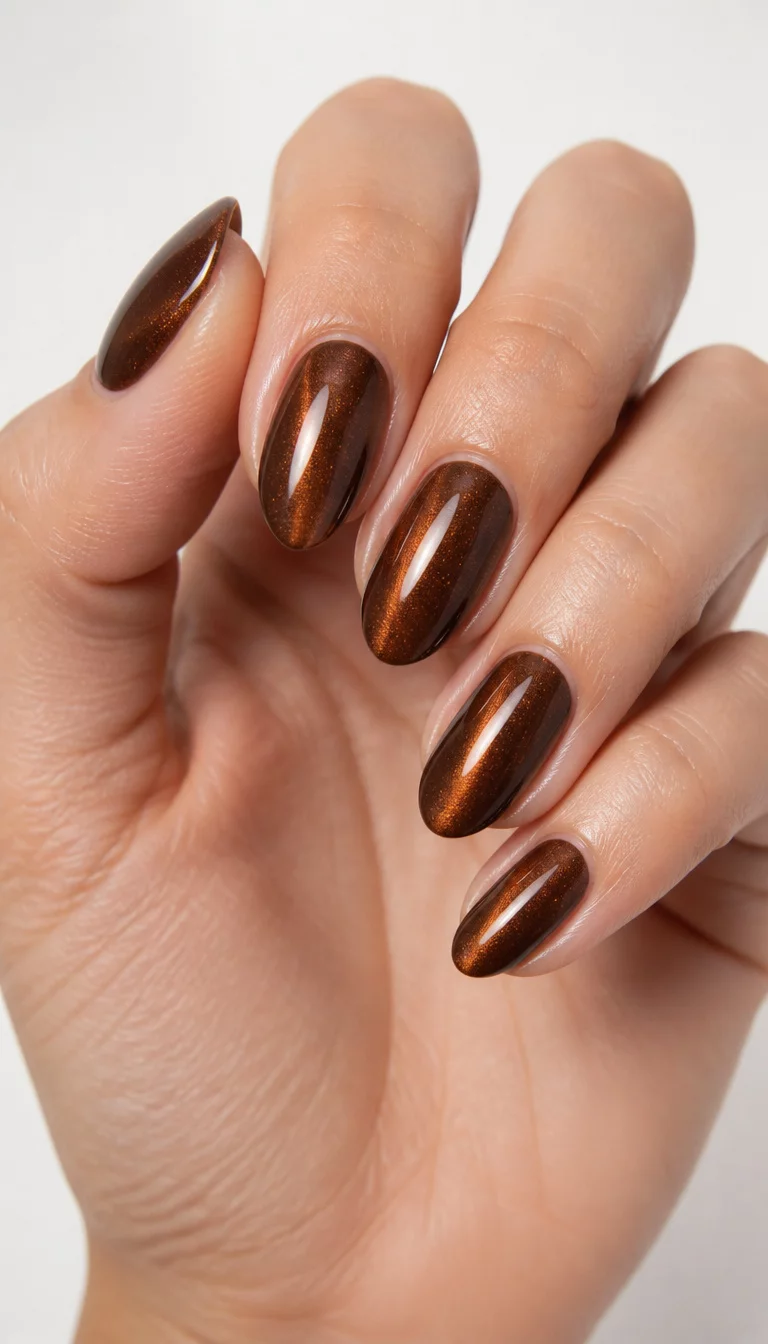
Your choice of bottle determines how well you survive the weekend. Some formulas provide a hard shell that resists abrasion better than others. Look for products that mention high shine or long wear, as these often contain tougher resins.
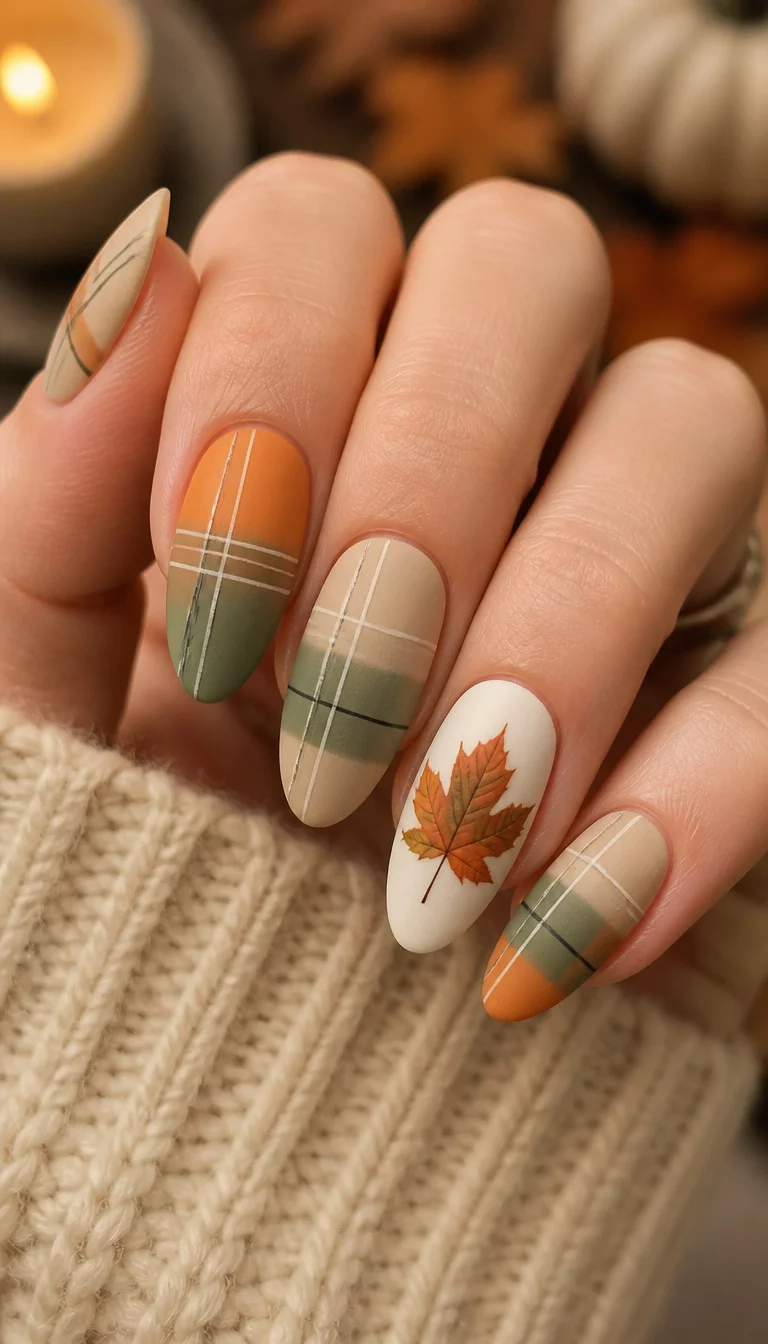
Avoid matte finishes if you plan to spend time in the dunes. A matte top coat already has a textured surface that traps sand particles. You will find it nearly impossible to clean the grit out of the tiny crevices of a matte finish.
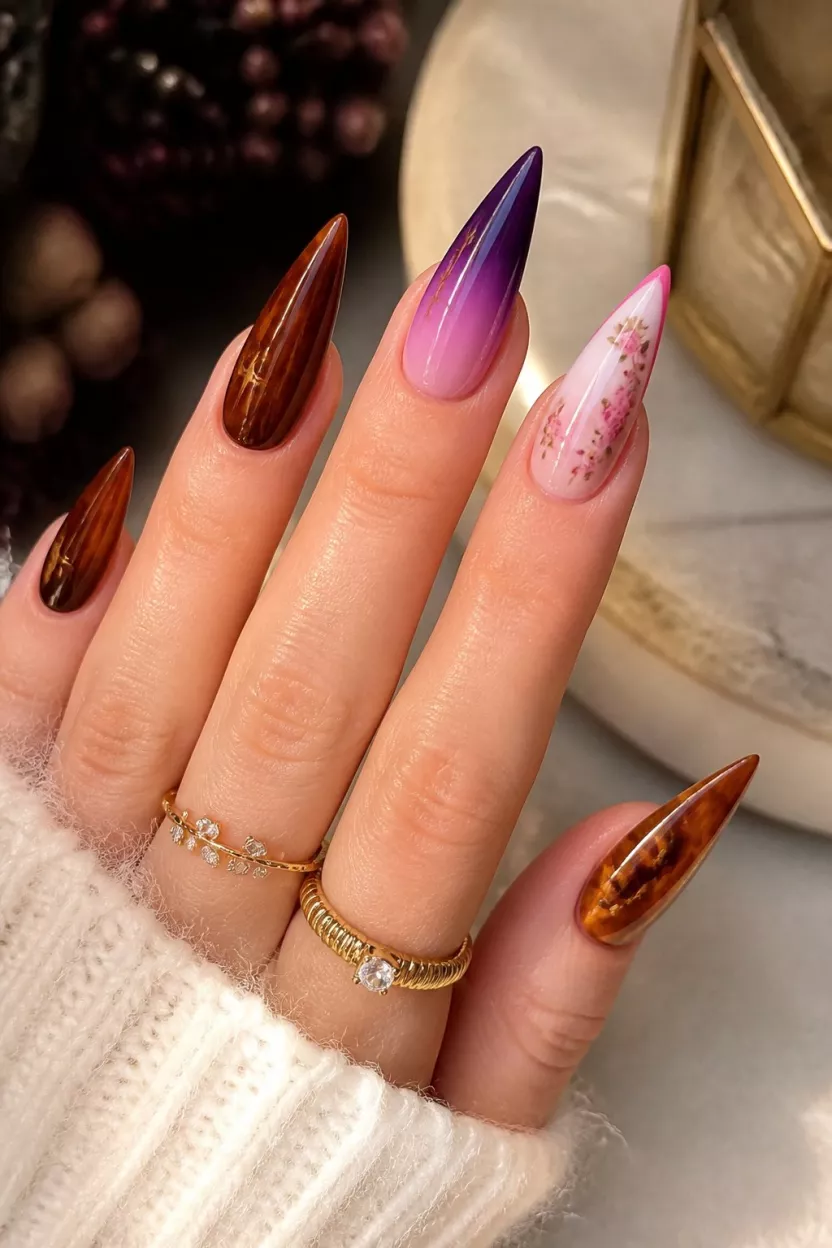
Switch to a glitter polish or a light shimmer if you know you will be active. Glitters naturally hide small scratches because the light reflects off the particles in a dozen directions. A solid, dark cream color shows every single imperfection like a neon sign.
The Magic of Hard Gel Overlays
If you want a bulletproof solution, try a hard gel overlay. Unlike soak-off gel, hard gel creates a permanent, non-porous barrier that handles friction with ease. It provides the structural integrity needed to withstand a literal sandstorm on your fingertips.
You can also look into dip powders. These contain acrylic polymers that create a very hard surface. Sand has a much harder time digging into acrylic than it does into a simple layer of traditional air-dry lacquer.
Application Secrets for Sand Defense
Prevention starts at the base. You need to ensure your polish bonds perfectly to your nail plate to prevent lifting when sand gets under the edges. Clean your nails with alcohol or acetone to remove every trace of oil before you start.
Apply multiple thin layers rather than one thick coat. Thick coats stay soft in the middle for hours, making them magnets for imprints and deep scratches. Thin layers dry harder and create a more resilient laminate structure.
Wrap the tip of your nail with every layer of polish and top coat. This technique involves swiping the brush along the very edge of your fingernail. This seal prevents sand from wedging itself between the polish and your natural nail.
| Protection Method | Efficiency Level | Best For |
|---|---|---|
| Double Top Coat | Medium | Day trips |
| Hard Gel Overlay | High | Beach vacations |
| Glitter Pigment | Very High | Hiding damage |
| Standard Lacquer | Low | Indoor events |
Mastering the Double Top Coat Technique
One layer of top coat is rarely enough for a beach environment. Apply your first layer of top coat and let it dry completely. Wait about twenty minutes before applying a second, generous layer to build a thick buffer.
This second layer serves as a sacrificial shield. The sand scratches the top layer of clear polish, leaving the color underneath untouched. You can even reapply a fresh layer of top coat every evening to fill in those tiny scratches and restore the glow.
Use a fast-dry top coat for the first layer and a high-gloss, long-wear top coat for the second. This combination gives you both speed and durability. You essentially create a protective glass-like dome over your aesthetic investment.
Check Your Dry Times
Standard polish takes much longer to fully cure than you think. While it might feel dry to the touch after fifteen minutes, it remains vulnerable for up to twenty four hours. Avoiding the beach on the same day you paint your nails saves you a lot of heartbreak.
If you must go soon after painting, use a cold water dip. Submerge your hands in ice water for three minutes to help the outer layer harden faster. It is not a miracle cure, but it gives you a fighting chance against the grit.
How to Clean Your Hands Without Scratching

The moment you try to rub sand off your hands with a towel, you destroy your manicure. You are essentially using the towel as a sanding block. Never rub your hands together when they have visible grains on them.
Rinse your hands with clean, fresh water whenever possible. Let the water pressure do the work of knocking the particles away. If you find yourself stick with dry sand, use a soft, dry brush to flick the grains away without applying downward pressure.
Baby powder serves as a fantastic hack for removing sand without friction. Shake a little powder onto your skin, and the sand falls right off. This trick prevents you from having to scrub your delicate polish with a gritty towel.
- Always carry a bottle of fresh water for quick nail rinses.
- Avoid using your nails as tools to dig in the sand for shells.
- Keep a small bottle of cuticle oil in your bag to keep the polish flexible.
- Use a soft makeup brush to dust sand off your fingers.
Post-Beach Recovery Ritual
Once you return from your seaside excursion, give your nails some TLC. Salt water and sun dehydrate your cuticles and can make polish more brittle. Brittle polish chips much faster when sand hits it.
Wash your hands thoroughly with a mild soap to remove salt residue. Salt can act as a drying agent that dulls the finish of your top coat over time. Pat your hands dry gently rather than rubbing them vigorously with a rough towel.
Apply a fresh layer of top coat once your hands are clean and dry. This fills in the micro-abrasions and makes your nails look brand new again. It also adds another layer of protection for your next outing.
Hydration is Your Best Friend
Massage cuticle oil into your nail beds every night. Healthy, hydrated nails provide a better foundation for polish, making it less likely to flake off. Look for oils containing jojoba or vitamin E for the best absorption.
Consider a hydrating hand mask if you spent several hours in the sun. The heat can warp the polish slightly, making it more prone to scratching. Keeping the surrounding skin healthy prevents you from picking at the edges of your manicure.
The Impact of Sand on Your Polish: How to Prevent Scratches FAQ
Can I wear regular nail polish to the beach?
You certainly can, but expect it to lose its shine within a day or two. Using a double layer of top coat and avoiding digging in the sand helps extend the life of your manicure. Darker colors will show scratches more prominently than light pinks or nudes.
Does salt water damage my nail polish?
Salt water itself does not usually dissolve the polish, but it dries out the nail plate and the coating. This dryness makes the polish brittle and more susceptible to chipping from sand impact. Always rinse with fresh water after swimming to mitigate this effect.
Should I use a UV top coat for better protection?
UV-cured top coats provide a significantly harder surface than air-dry versions. They offer the best defense against the abrasive nature of sand. If you have the equipment, a gel top coat over regular polish (once fully dry) creates a very tough barrier.
Keep the Shine Alive
A beach day should not mean the end of your beautiful manicure. By choosing hard-wearing formulas and using a double layer of protection, you can fight back against the abrasive power of those tiny quartz grains. Remember to rinse rather than rub, and always keep your nails hydrated.
With a little bit of strategy, your nails will look just as good at the sunset dinner as they did during the morning boardwalk stroll. Pack your baby powder, grab your favorite high-gloss top coat, and enjoy the sun without the stress of scratched tips. Your nails deserve a vacation too, but they need the right gear to survive it.