Saltwater vs. Pool Water: Which is Harder on Your Manicure?
You spent two hours at the salon and a small fortune on those perfect almond shaped tips. Now the summer sun calls your name. Will the ocean ruins your aesthetic or will the hotel pool turn your polish into a peeling mess?
The Chemical War in the Backyard Pool

Chlorine acts as the primary guardian of your local swimming hole. This chemical keeps bacteria away but it also functions as a powerful bleaching agent. It attacks the chemical bonds in your nail polish and weakens the structure over time.
Think of chlorine as a very slow acting nail polish remover. It siphons the moisture right out of your nail beds and the surrounding skin. When your nails lose their natural oils they become brittle and prone to snapping off at the worst possible moments.
The clear top coat you rely on for that glass like shine eventually yields to these chemicals. You might notice your neon pink turning into a sad pastel after a long afternoon on a pool float. Chlorine simply does not care about your color coordination or your feelings.
The Drying Effect of Chlorine
Chlorine does more than just fade colors. It penetrates the porous layers of the nail plate. This causes the nail to contract and expand which leads to micro cracks in your gel or acrylic overlay.
Once those tiny cracks appear water finds its way underneath the product. This creates a cozy little home for lifting. You will find yourself picking at a loose corner before you even dry off with your towel.
Saltwater and the Abrasive Ocean Truth
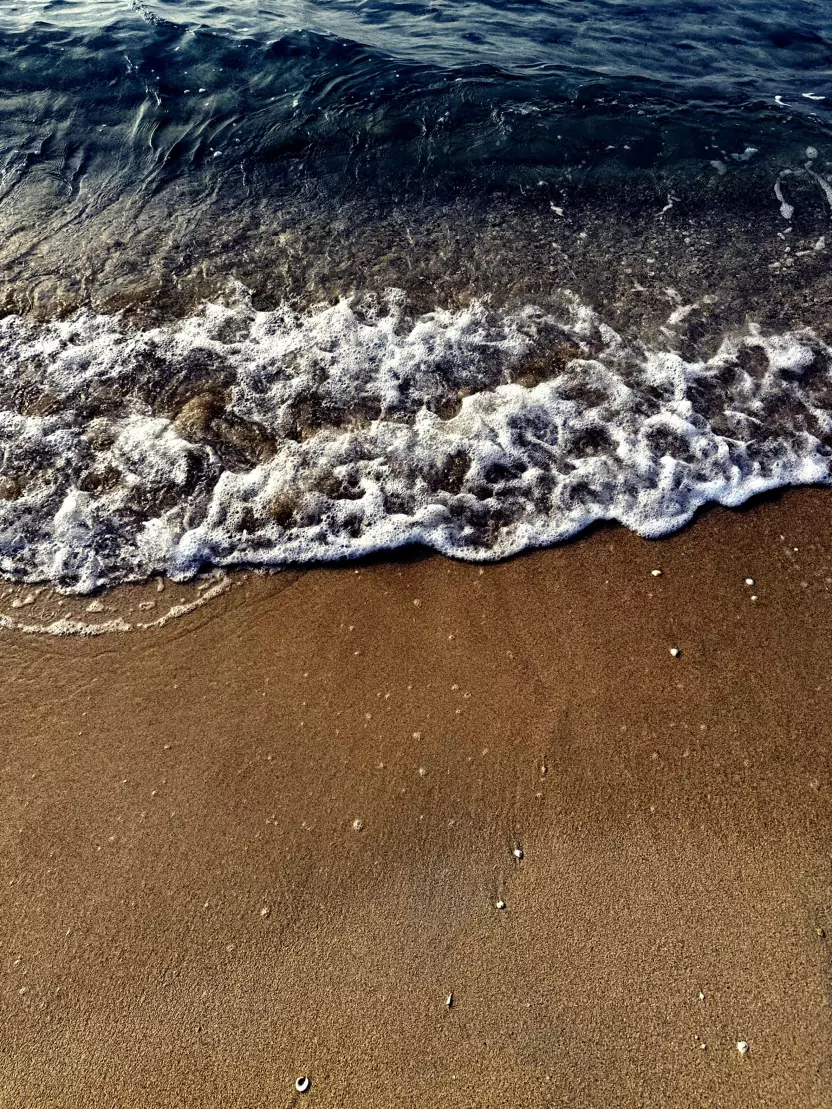
The ocean feels poetic until you realize it is basically a giant bowl of liquid sandpaper. Saltwater contains minerals that can actually benefit your skin in small doses. However your manicure views the sea as a relentless enemy.
Salt crystals stay on your nails after you leave the surf. As the water evaporates these tiny crystals remain behind. They act as an abrasive force every time you touch your hair or adjust your swimsuit.
Salt also draws water out of your cells through osmosis. This process leaves your cuticles looking like old parchment paper. If you have any tiny nicks or hangnails the salt will remind you of their existence with a stinging sensation.
Sand Is Not Your Friend
We cannot talk about saltwater without mentioning its partner in crime. Sand gets everywhere and it loves to scratch the surface of a fresh manicure. Those tiny grains act like a high grit file against your top coat.
Walking through the surf means your hands often touch the sandy bottom or grab salty shells. Every interaction creates microscopic scratches. These scratches dull your shine and make your nails look matte and aged within a single day.
Comparing the Damage
Both environments offer unique ways to destroy your expensive handiwork. Most experts agree that the pool usually wins the award for the most destructive force. The constant chemical exposure in a pool remains more consistent than the natural variations of the ocean.
| Feature | Pool Water (Chlorine) | Ocean Water (Salt) |
|---|---|---|
| Color Impact | High Fading Risk | Low Fading Risk |
| Structural Damage | Chemical Softening | Mechanical Abrasion |
| Skin Impact | Extreme Dryness | Dehydration and Stinging |
| Surface Finish | Cloudy Over Time | Scratched and Dull |
Natural saltwater lacks the harsh industrial bleach found in public pools. If you rinse your hands immediately after a swim the ocean is significantly kinder. Chlorine lingers and continues to work its dark magic until you scrub it off with soap.
Simple Hacks to Save Your Nails
You do not have to sit on the sidelines while everyone else splashes around. You can protect your investment with a few clever tricks. These steps take less than a minute but save you a week of regret.
- Apply a fresh layer of top coat the night before your swim.
- Coat your nails and cuticles in a thick layer of cuticle oil or waterproof sunscreen.
- Rinse your hands with fresh water immediately after exiting the pool or the sea.
- Wear waterproof gloves if you are just lounging in the shallow end.
The oil creates a temporary barrier that prevents water from soaking into the nail plate. Think of it like a raincoat for your fingers. Water and oil do not mix so the chemicals cannot reach the polish as easily.
The Fresh Water Pre-Soak Secret
Your nails act like sponges. If you dip them into fresh tap water before you jump into the pool they will soak up that clean water first. They will have less room to absorb the chlorinated water once you start swimming.
This simple physics trick prevents a large portion of the chemical damage. It is the same reason hair stylists tell you to wet your hair before entering a pool. Saturate the sponge with the good stuff so the bad stuff stays out.
Maintenance During Your Vacation

Bring a small survival kit for your hands. You do not need a full suitcase of supplies. A bottle of high quality cuticle oil and a soft buffer block will suffice for most trips.
Apply oil every single night before bed. This counteracts the drying effects of both salt and chlorine. If your tips start to feel rough a very gentle buffing can remove the salt crust and restore a bit of shine.
Try to avoid using your nails as tools while you are on holiday. Opening soda cans or picking at seashells will lead to immediate breakage when your nails are softened by water. Use the pads of your fingers instead of the tips.
Frequently Asked Questions
Does gel polish last longer than regular polish in the pool?
Gel polish identifies as a much more durable option because it cures into a hard plastic. It resists the chemical breakdown of chlorine better than regular air dried lacquer. However once a gel manicure starts to lift the water trapped underneath can cause damage very quickly.
Should I get a manicure before or after a beach trip?
Get your manicure a few days before you leave to let the product fully settle. If you wait until you return you might have to deal with ragged cuticles and broken natural nails during the whole trip. A fresh set provides a layer of physical protection for your natural nail plate while you play.
Can saltwater actually make nails stronger?
Saltwater contains magnesium and calcium which can technically benefit the nail bed. The problem arises because the drying effect usually outweighs the mineral benefits. You would need many tiny doses of saltwater followed by immediate hydration to see any positive strength changes.
Enjoy your summer and let your nails live their best life. A little bit of oil and a quick rinse keep those colors popping. Your manicure might face a battle against the elements but with these tips you will definitely win the war.