Why Nails Peel More Often After Swimming: The Science of Water Absorption
You spend an hour relaxing in the pool only to watch your expensive manicure lift away like an old sticker. Your nails feel soft, bendy, and start peeling at the tips before you even dry off. Stop blaming your nail technician for this frustrating mystery.
The Sponge Effect: How Your Nails Store Water

Most people view fingernails as hard, shield-like surfaces that repel everything. In reality, your nails act like tiny, keratin-based sponges that love to soak up liquids. Your nails can actually absorb about twenty-five percent of their weight in water during a long swim.
This process forces the nail cells to expand far beyond their natural shape. Think of a dry wooden door that swells in a humid basement until it no longer fits the frame. Your nail plate experiences that same physical stress while you enjoy the deep end.
The Keratin Structure Under Pressure
Your fingernails consist of flattened layers of a protein called keratin. These layers stay together thanks to natural oils and specialized intercellular “glue” that keeps the structure rigid. High water volume pushes these layers apart by forcing its way into the microscopic gaps between them.
Once the water enters, it disrupts the internal bonds that keep your nail plate solid. You might notice your nails feel unusually flexible or even mushy immediately after leaving the pool. This temporary softness represents the physical manifestation of water overload within the keratin matrix.
The Great Drying Disaster
The real damage occurs once you step out of the water and start the drying process. As the excess water evaporates, your nail cells shrink rapidly to return to their original size. This constant cycle of swelling and shrinking creates massive structural fatigue within the nail plate.
Imagine bending a piece of plastic back and forth until a white stress line appears. Your nails undergo a similar mechanical stress every time they saturate and then dry out. This repetitive motion eventually causes the layers to snap away from one another at the free edge.
When these layers separate, you see the visible peeling that ruins your aesthetic. You might try to pick at these translucent flakes, but that only accelerates the destruction. Your nails essentially lose their ability to hold themselves together after too many water cycles.
Chemical Culprits in the Pool
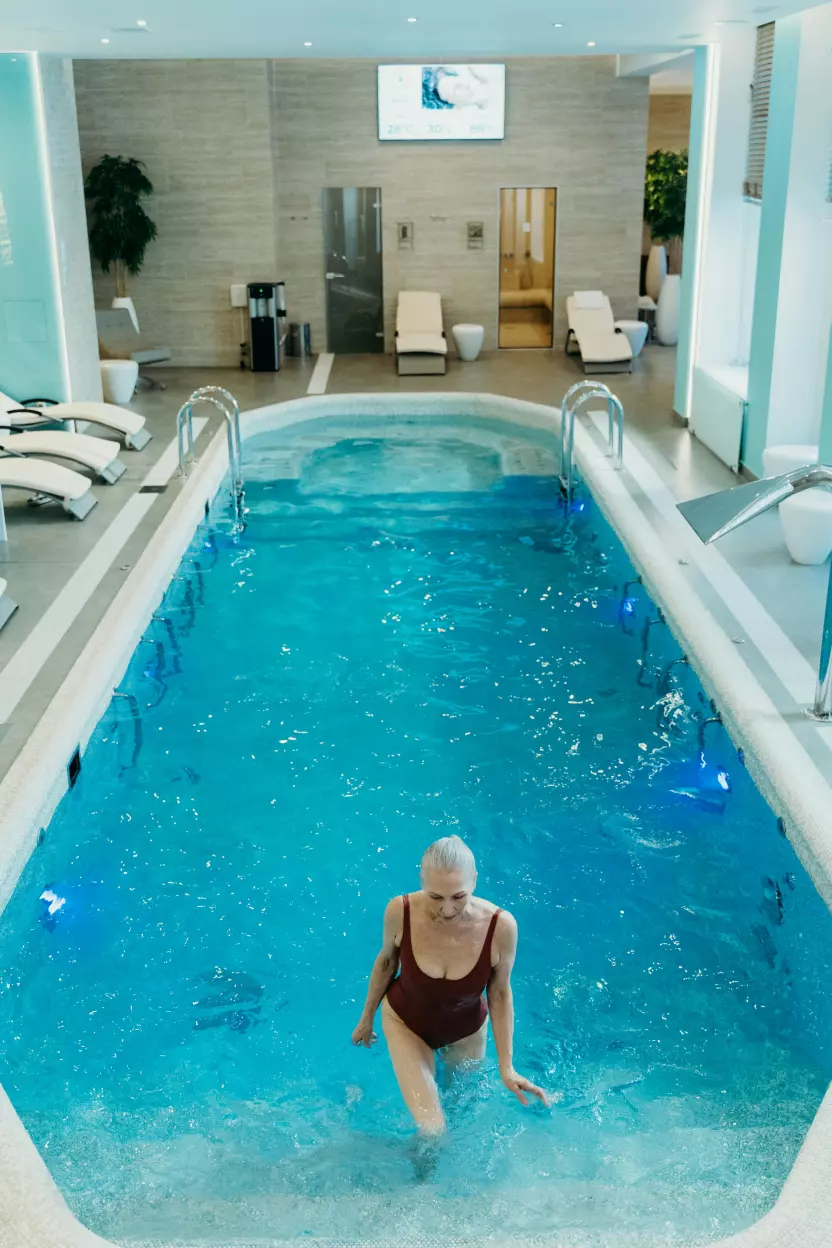
Water itself causes enough trouble, but pool chemicals add an extra layer of difficulty for your hands. Chlorine serves a great purpose by keeping the water clean, but it also acts as a powerful solvent. It aggressively strips away the natural sebum and oils that seal your nail layers together.
Without these protective oils, water enters the nail plate even faster than it would in a freshwater lake. Chlorine also dries out the surrounding cuticle, which serves as the protective seal for new nail growth. You are basically inviting the water to come in and dismantle your manicure from the inside out.
Saltwater pools are not much better for your vanity, unfortunately. Salt draws moisture out of the skin and nails through osmosis, leaving the keratin brittle and prone to cracking. You might find that saltwater makes your nails feel hard at first, but they will eventually shatter like glass.
The Impact on Your Manicure
If you wear polish or gel, the water absorption issue becomes even more apparent. Your natural nail expands when wet, but your nail polish remains the same size. This creates a functional mismatch where the nail grows larger than the coating sitting on top of it.
The bond between the polish and the nail plate snaps under this pressure. When the nail finally dries and shrinks back down, the polish remains slightly stretched or warped. This is why you often see polish chipping or peeling in entire sheets after a day at the beach.
Gel manicures suffer because water can seep under the edges if there is even a microscopic lift. This trapped moisture becomes a breeding ground for bacteria or simply causes the gel to lift away from the base. You might think your “waterproof” gel is safe, but the nail underneath is the real weak link.
Daily Decisions That Save Your Nails

You do not have to give up swimming to maintain beautiful hands. Small changes to your routine before and after you hit the water can make a massive difference. Think of it as a pre-game strategy for your fingertips.
- Apply a thick layer of cuticle oil or a specialized nail balm before entering the water to create a hydrophobic barrier.
- Keep your nails at a manageable length to reduce the surface area available for water absorption.
- Wear a fresh coat of clear polish or a dedicated nail strengthener to provide an extra physical shield.
- Rinse your hands with fresh, cool water immediately after exiting a chlorinated or salt pool.
Using a heavy moisturizer or oil after you dry off helps replace the natural lipids stripped away by the water. Look for ingredients like jojoba oil, which closely mimics the natural oils produced by your body. Rubbing oil into the tips of your nails helps seal those vulnerable layers back together.
Comparing Water Types and Their Effects
| Water Source | Primary Damage Mechanism | Immediate Result |
|---|---|---|
| Chlorinated Pool | Chemical stripping of natural oils | Extreme dryness and brittle edges |
| Saltwater Ocean | Osmotic dehydration of keratin | Hard but prone to snapping |
| Hot Tubs | High heat plus chemical saturation | Rapid swelling and total layer separation |
| Freshwater Lake | Simple over-saturation | Bendy, soft nails that peel when dry |
Common Mistakes to Avoid
Many women try to fix peeling nails by filing them while they are still damp from the pool. This is a terrible idea that only leads to more splintering. Wet nails are too fragile to handle the friction of a file, so always wait until they are completely dry.
Another mistake involves using “nail hardeners” that contain formaldehyde. These products can make the nail too rigid, which leads to snapping rather than peeling. You want flexibility and hydration rather than artificial hardness that breaks under pressure.
Stop using your nails as tools to open soda cans or scrape off stickers, especially after swimming. Your nails are at their weakest point when they are recovering from water exposure. Treat them like delicate jewels for at least an hour after you get out of the water.
Frequently Asked Questions
Can I swim with a fresh manicure?
You should wait at least twenty-four hours after a manicure before submerged swimming. This allows the polish or gel to fully cure and bond to the nail plate without the interference of water expansion. Rushing into the pool too soon almost guarantees your polish will lift within days.
Is it better to keep nails short for swimming?
Short nails generally fare better because they have less surface area to absorb water and fewer edges to catch and peel. Long nails act like longer levers, putting more stress on the nail bed when they become soft and flexible from the water. Trimming your nails slightly before a beach vacation can save you a lot of grief.
Does wearing gloves in the shower help?
While wearing gloves in the shower sounds extreme, minimizing water contact always helps the health of your nails. Frequent, long showers contribute to the same peeling issues as swimming pools. Simply keeping your hands out of the direct spray or applying oil before bathing provides a similar benefit without the fashion statement.
Your nails are not failing you on purpose; they are just doing what nature intended for keratin structures. By understanding how water moves through those layers, you can finally stop the peeling cycle. Grab some oil, keep them polished, and enjoy your time in the water without losing your manicure in the process.