Why Summer Activities Lead to More Nail Breaks (and How to Prevent Them)
You spent forty dollars and two hours at the salon for those perfect summer nails. Now, one afternoon at the beach has left you with a jagged stump and a broken dream. Let us investigate why the sun hates your manicure and how you can actually fight back.
The Great Summer Nail Sabotage
Summer feels like a personal attack on your cuticles. You spend your days jumping into chlorinated pools, digging in the garden, or opening soda cans at a barbecue. These activities turn your strong nails into brittle shells of their former selves.
Water acts as the primary villain in this seasonal tragedy. Your nails absorb water much faster than your skin does. This constant swelling and shrinking as you move from the pool to the dry lounge chair weakens the internal structure of the nail plate.
Think of your nail like a piece of cardboard. If you soak that cardboard in water and then let it dry repeatedly, it loses all stiffness. Your nails follow the exact same logic. They become soft, bendy, and prone to tearing at the slightest pressure.
Chlorine and Salt Water Effects
Chlorine sanitizes the pool, but it also strips every bit of natural oil from your hands. Without those oils, the layers of keratin in your nails begin to separate. This separation explains why you see those annoying flakes at the tips of your fingers.
Salt water offers a different kind of architectural destruction. The salt draws moisture out of your nail bed through osmosis. While you enjoy the ocean breeze, your nails are literally shriveling up on a microscopic level.
Sun Damage Is Not Just For Your Skin
You apply sunscreen to your face religiously to avoid wrinkles. You probably ignore your fingernails during this routine. Ultraviolet rays damage the proteins that keep your nails flexible and resilient.
Sunlight causes the chemical bonds in your nail polish to become brittle. This leads to cracking and chipping within days of application. Once the polish cracks, water enters those tiny fissures and begins the lifting process from the inside out.
Even the skin around your nail, the cuticle, suffers under the heat. Dry cuticles pull away from the nail plate. This creates an entry point for bacteria and fungus, which nobody wants to deal with during a vacation.
Outdoor Chores and Hidden Dangers
Gardening feels therapeutic until you realize the soil acts like sandpaper on your manicure. Dirt is incredibly abrasive. It wears down the protective top coat and leaves your nails vulnerable to deep scratches.
Using your nails as tools represents the quickest way to a break. You should never use your thumb to pry open a lid or scrape off a sticker. Grab a real tool instead of sacrificing your aesthetic sanity for a moment of convenience.
Cleaning the patio or washing the car exposes you to harsh detergents. These chemicals dissolve the fats and lipids that hold your nail layers together. Always wear gloves if you want your hands to survive the weekend chores.
Hydration Is Your Best Defense
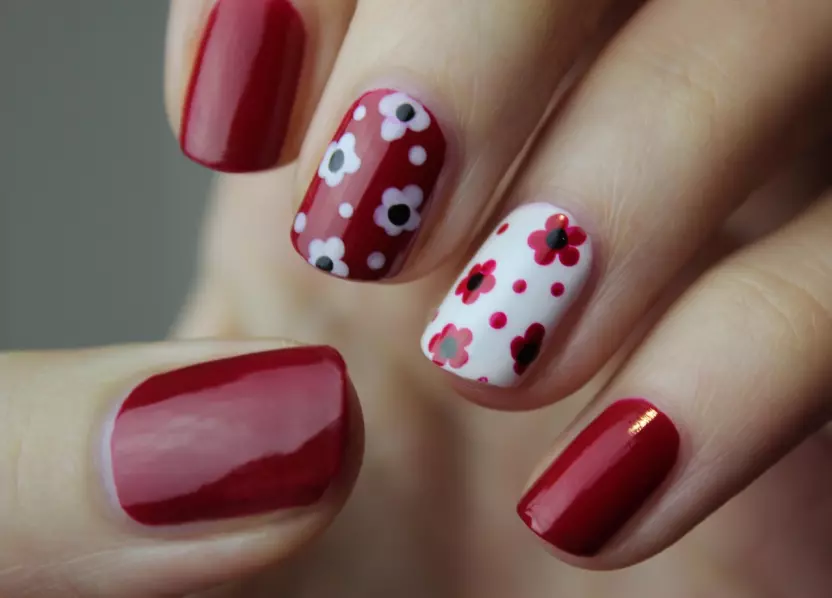
You must treat your nails like a thirsty plant. Keeping them hydrated prevents the snapping that happens when they get too dry. A high quality cuticle oil serves as your best friend during the warmer months.
Apply oil at least twice a day. Rub it into the base of the nail and under the free edge. This creates a waterproof barrier that stops the swelling cycle we discussed earlier.
Drinking water helps your body, but it does very little for the dead keratin on your fingertips. You need topical hydration to see real results. Look for oils containing jojoba or almond oil because they penetrate the nail surface effectively.
Protective Strategies for the Active Woman
If you plan to spend the day in the water, apply a fresh layer of top coat beforehand. This adds an extra shield against the elements. It takes five minutes and saves you a week of regret.
Keep your nails shorter during the summer if you are particularly active. Long nails act like levers. The longer the nail, the more force it applies to the nail bed when you accidentally hit it against something.
Consider the shape of your nails as well. Square nails have sharp corners that snag on everything from swimsuits to beach towels. A rounded or oval shape deflects impact much better than a blunt edge.
| Activity | Risk Level | Prevention Trick |
|---|---|---|
| Swimming | High | Apply thick cuticle oil before entry |
| Gardening | Extreme | Wear fitted rubber gloves |
| Beach Sports | Medium | Keep nails at a sport length |
| Summer Cleaning | High | Avoid ammonia based products |
The Role of Proper Nutrition
Healthy nails start from the inside. Vitamins aid the growth of a strong nail plate that can withstand summer stress. Biotin remains the most popular supplement for a reason; it works for many women.
Eat plenty of protein and healthy fats. Your body needs these building blocks to produce keratin. Salmon, walnuts, and eggs provide the nutrients your nails crave to stay tough.
Iron deficiency often leads to thin, spoon shaped nails. If your nails feel like paper, you might need to check your iron levels. Strong nails do not just happen by accident; they require a balanced diet.
Manicure Maintenance Tips
Avoid using metal files on your natural nails. These files create jagged edges that eventually lead to splits. Switch to a glass or crystal file to seal the edges of your nails as you shape them.
Always file in one direction. Sawing back and forth creates heat and friction that shreds the keratin fibers. One smooth stroke from the corner to the center will keep the structure intact.
Give your nails a break from gel or acrylics every now and then. The removal process often involves soaking in acetone, which is the ultimate drying agent. Let your natural nails breathe for a week between appointments.
- Apply a base coat to prevent staining from bright summer colors.
- Use a non acetone remover whenever possible to minimize dryness.
- Wear gloves when handles citrus fruits because the acid can eat through polish.
- Don’t pick at peeling polish because you will take a layer of nail with it.
- Seal the free edge of your nail with polish to prevent lifting.
Emergency Repair Kit Essentials
Keep a small kit in your beach bag for those inevitable snags. A tiny file can smooth a rough edge before it turns into a full break. Taking care of a small tear immediately prevents the need for a total chop.
Carry a small bottle of nail glue. If you feel a crack starting, a tiny drop of glue can hold the nail together until you reach a professional. This simple hack saves many manicures from total disaster.
Buffing the surface slightly can also help. Just do not overdo it. You only want to smooth the area, not thin out the entire nail plate until it becomes translucent.
Common Summer Myths Debunked
Many people believe that salt water makes nails stronger. This is a lie. While the minerals might be beneficial in small doses, the drying effect of salt outweighs any potential gain.
Another myth suggests that the sun helps nails grow faster. While your metabolism might speed up slightly in the heat, the UV damage cancels out any growth benefits. Protect your hands regardless of how fast you think they grow.
Some claim that painting your nails prevents them from breathing. Nails do not have lungs. They get all their nutrients and oxygen from the blood flow in the nail bed, not the air.
How to Choose the Right Products
Read the labels on your hand creams. Avoid products with heavy perfumes if you have sensitive skin or dry cuticles. Look for ingredients like urea or lactic acid which help retain moisture.
Invest in a high quality base coat. The base coat acts as the foundation for your entire manicure. If the foundation is weak, the rest will crumble under the summer sun.
Switch to a moisturizing soap for your bathrooms. Constant hand washing during the sweaty months can be brutal. A gentle cleanser makes a massive difference over several weeks.
Why Summer Activities Lead to More Nail Breaks (and How to Prevent Them) FAQ
Why do my nails peel more in the summer than in the winter?
The combination of frequent water exposure and harsh sunlight serves as a double threat. Your nails expand when wet and contract when dry, causing the layers to lose their stickiness. This mechanical stress leads to the visible peeling you notice after a day at the pool.
Can I still wear gel polish at the beach?
Yes, you can certainly wear gel, but you should be careful with the application. Ensure your technician seals the edges completely to prevent sand and salt water from wedging under the polish. Apply a regular top coat every few days to protect the gel from UV fading and scratches.
Does sunscreen actually damage my nail polish?
Certain ingredients in spray sunscreens can actually dissolve or soften nail polish. Some chemical filters act as mild solvents that dull the shine of your manicure. Try using a lotion instead of a spray, or wash your palms and nails immediately after applying the protection to your body.
Protecting your hands does not mean you have to skip the summer fun. It just requires a little more focus on hydration and protection than you might provide in the autumn. Treat your nails with a bit of respect, and they will probably survive until Labor Day without a single casualty. Keep that cuticle oil handy and maybe stop using your index finger as a screwdriver for once.