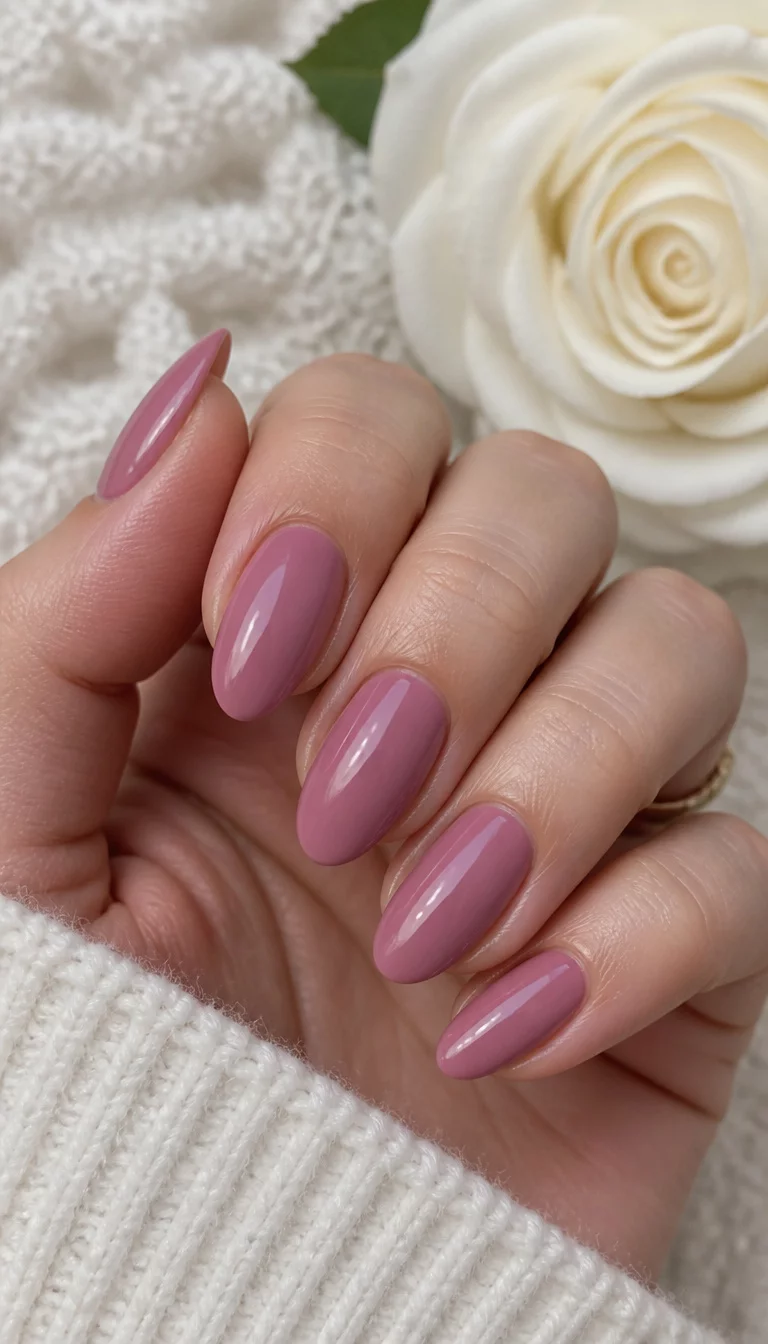
Matte vs. Glossy: Which Nail Finish Lasts Longer at the Beach?
You spent sixty dollars on a professional manicure only to watch the ocean peel it off like a cheap sticker. Salt, sand, and sunscreen act like sandpaper on your beautiful nails. Choose the right finish now or enjoy your jagged, dull cuticles later.
The Physics of Friction on Your Fingertips
Sand acts as a natural exfoliant for your skin but a brutal abrasive for your nail polish. Every time you reach into your beach bag or build a sandcastle, you basically sand down your manicure. A glossy top coat provides a slippery, hard barrier that allows sand to slide right off without leaving many marks.
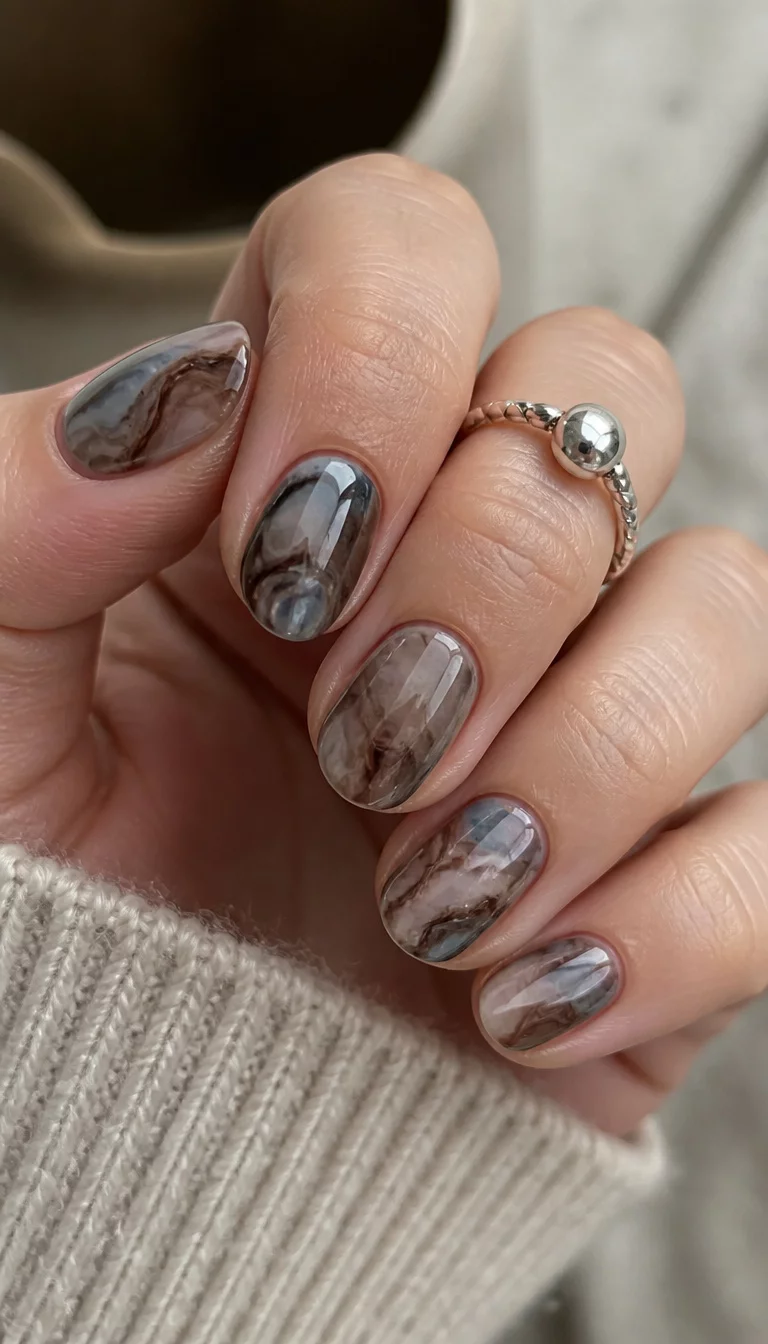
Matte finishes possess a porous and slightly rough texture by design. This microscopic texture grabs onto debris rather than repelling it. You might love that velvet look in the office, but the beach will turn that chic matte into a patchy, dirty mess within hours. A high shine finish reflects the light and hides small scratches that sand inevitably creates.
Why Sunlight Hates Your Matte Manicure

Matte top coats lack the UV protection filters often found in high quality glossy brands. The sun radiates intense rays that yellow your polish and make the pigments fade. If you choose a matte light pink, expect it to look like a dingy beige after a full day under the direct sun.
Chemical Reactions and Sunscreen
Sunscreen contains oils and chemicals that eat through specific types of nail finishes. Glossy top coats act as a shield because their surface is non porous. Matte finishes absorb the oils from your lotion, which leads to staining and peeling. You will notice the edges of matte polish lifting much faster than their shiny counterparts.
The Salt Water Factor
Salt water draws moisture out of your nails and the polish itself. This dehydration makes the polish brittle and prone to cracking. Glossy coats seal the entire nail plate more effectively than matte formulas. Think of gloss as a waterproof raincoat and matte as a stylish but absorbent wool sweater.
Durability Rankings for Beach Goers
Professional nail technicians usually suggest specific combinations for tropical vacations. You want a finish that survives the pool, the ocean, and the occasional volleyball game. Consider this table to see how different finishes hold up against the elements.
| Factor | Glossy Finish | Matte Finish |
|---|---|---|
| Scratch Resistance | High | Low |
| Stain Resistance | High | Very Low |
| UV Protection | Excellent | Poor |
| Longevity | 7 to 10 Days | 3 to 5 Days |
How to Save Your Shine Mid Vacation
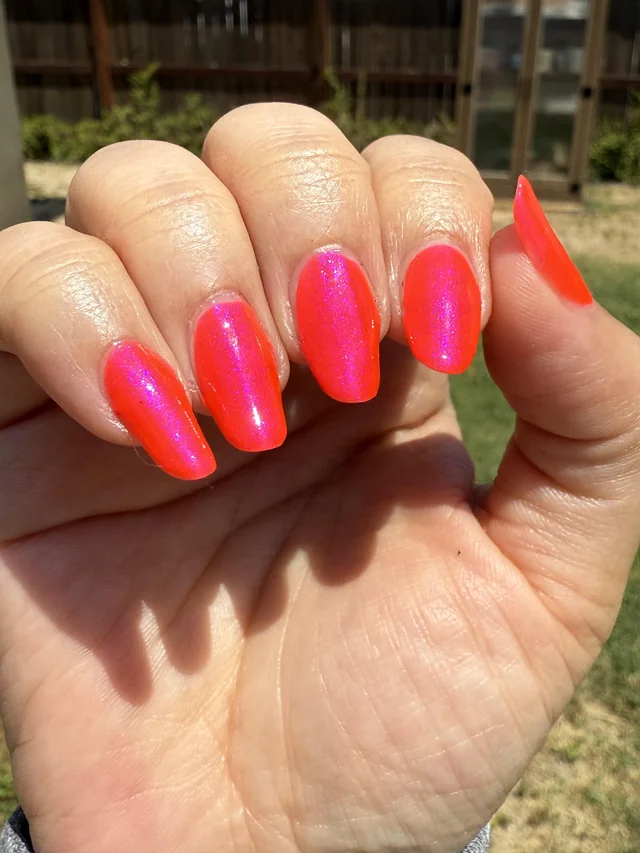
Even the best glossy finish requires a bit of maintenance when you deal with salt air. Pack a small bottle of clear top coat in your travel bag. Applying a fresh thin layer every two days fills in those tiny microscopic scratches caused by the sand. It also restores the UV barrier that the ocean water slowly wears down.
If you absolutely insist on wearing a matte finish, do not apply it directly before you leave. Use a glossy base and only apply a matte top coat over it. This gives you at least one solid layer of protection underneath the trendy surface. Just do not be surprised when your matte nails look shiny from your tanning oil anyway.
The Best Colors for Beach Longevity
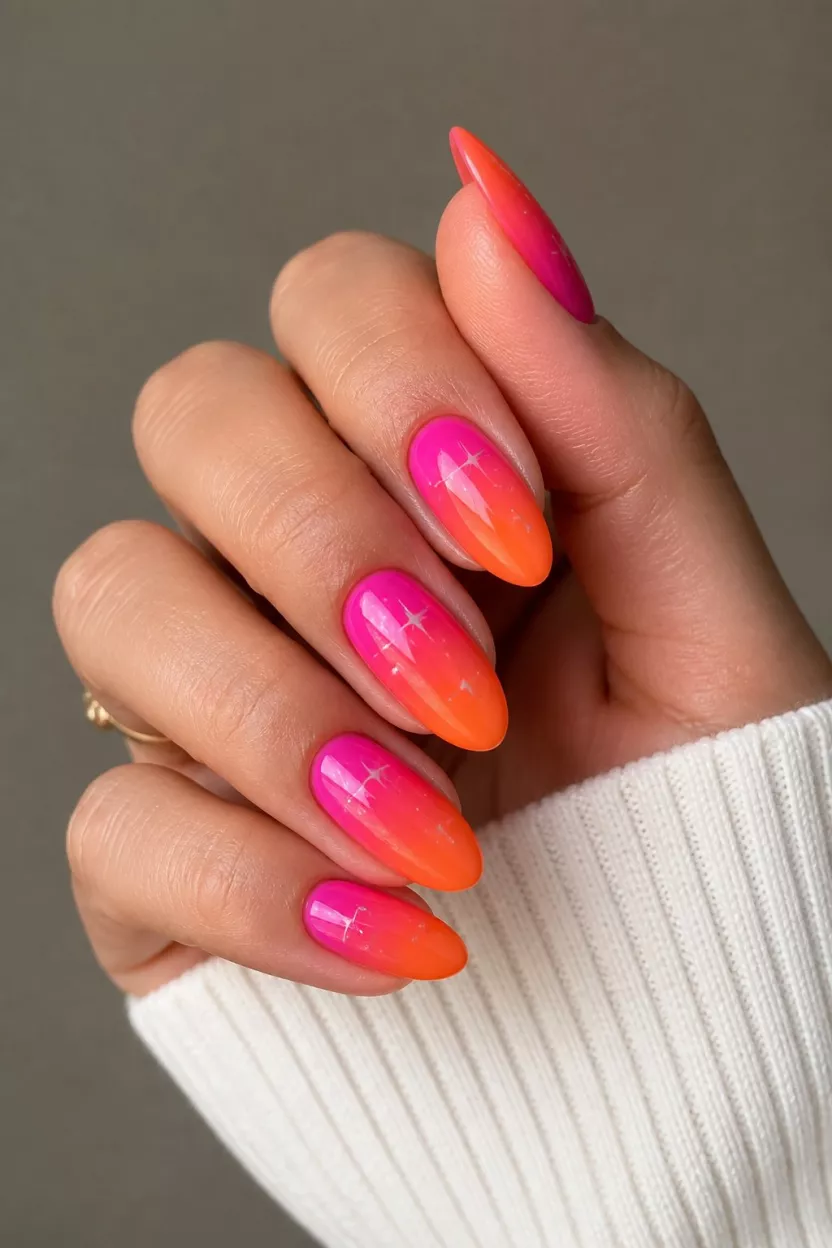
The finish matters, but the color hiding underneath plays a huge role in how long your manicure looks fresh. Bright neons and whites are popular for summer, but they show every single chip. Pick a color that blends with the inevitable wear and tear of a seaside holiday.
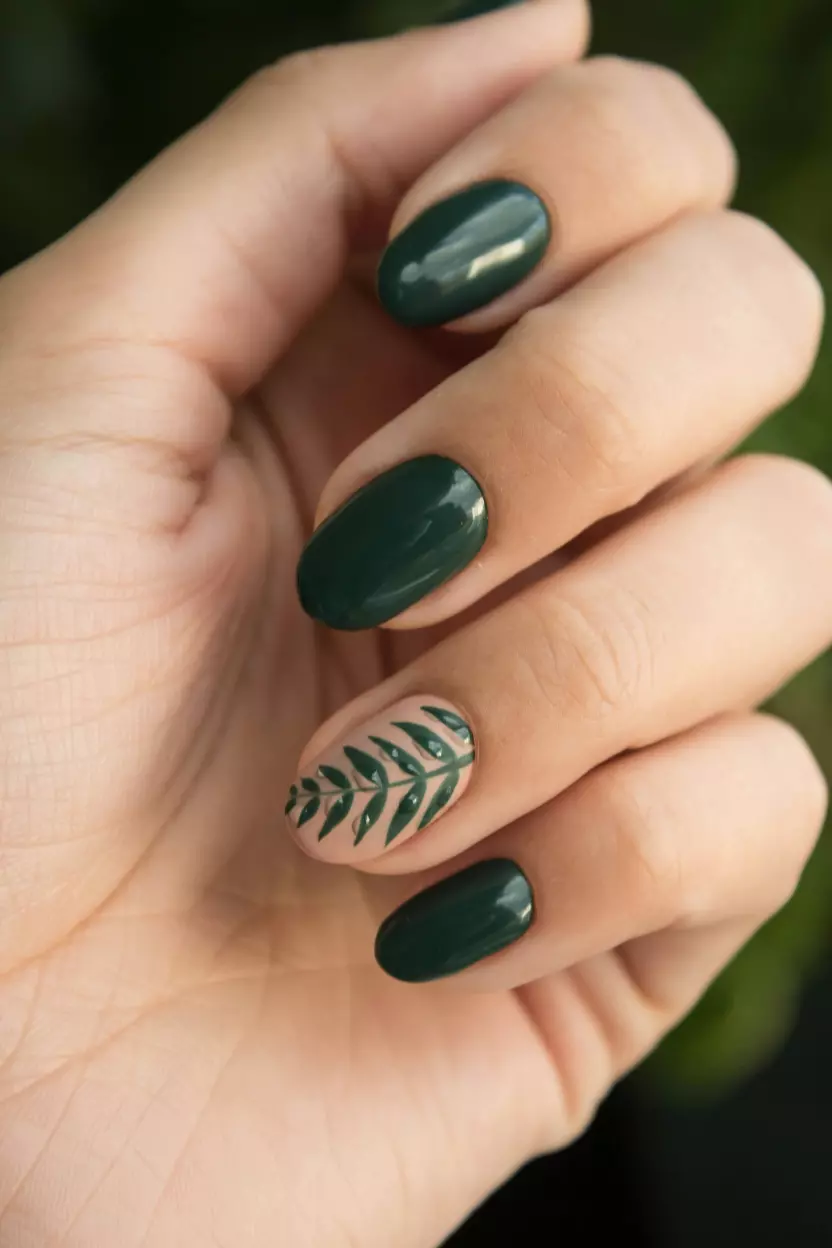
- Nude shades hide growth and small chips at the tips.
- Glitter polishes offer the highest durability because the particles bond tightly to the nail.
- Shimmery metallics reflect light so well that you cannot even see the sand scratches.
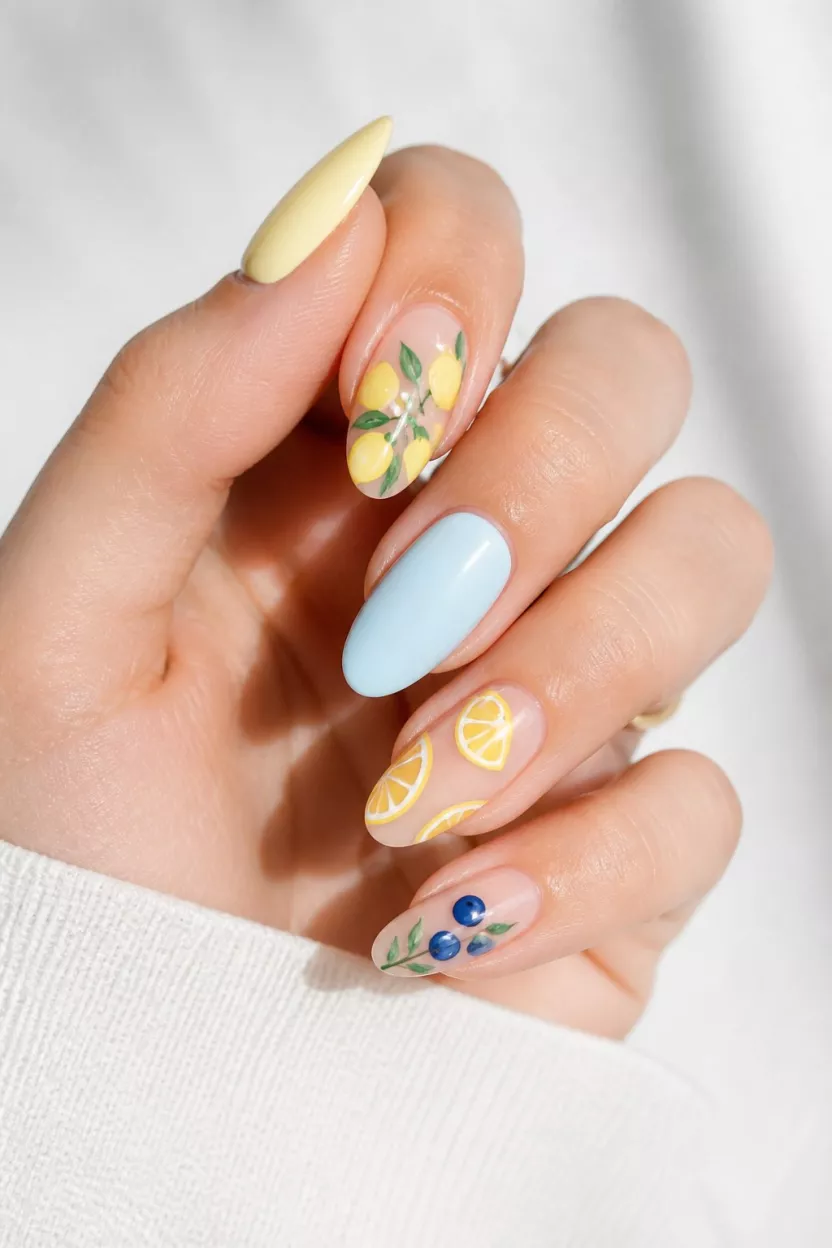
- Pastels yellow the fastest under the sun, so avoid them if you plan to stay out all day.
Common Mistakes That Ruin Beach Nails
Many women apply too many layers of polish before a trip. Thick polish takes forever to dry completely, even if it feels hard to the touch. When you submerge semi dry nails in warm ocean water, the polish expands and then shrinks, causing immediate ripples. Keep your layers thin and give them at least four hours of dry time before hitting the waves.
Another mistake involves skipping the edge of the nail. You must swipe your top coat over the very tip of your nail to cap it. This creates a seal that prevents water from getting between the polish and your natural nail. Without this seal, the salt water will lift your manicure from the tip inward within forty eight hours.
Frequently Asked Questions
Does gel polish last longer at the beach than regular polish?
Yes, gel polish provides a much harder surface that resists scratches from sand and rocks. It cures under a light to create a plastic like bond that prevents salt water from seeping underneath the color. You should always choose gel for a beach trip if you want your manicure to last more than three days.
Can I turn my matte nails glossy while on vacation?
You can easily fix a failing matte manicure by adding a high shine top coat over the top. This hides the dirt and scratches that the matte surface collected and adds a fresh layer of protection. It is much easier to switch from matte to glossy than it is to try to keep a matte finish clean in the sand.
Why do my nails turn yellow at the beach?
The combination of high UV exposure and the chemicals in your sunscreen causes a reaction in the top coat. Cheap top coats turn yellow because they lack the necessary UV inhibitors to stay clear. Switch to a professional grade glossy top coat to maintain a crisp color throughout your trip.
Pick the glossy finish if you want to actually enjoy your vacation instead of staring at your ruined cuticles. Matte nails look great for a quick Instagram photo on the balcony, but they simply cannot handle the reality of the shoreline. Grab a high shine top coat, cap those edges, and go jump in the water without a single worry about your polish.